Understanding Peptide Treatments: From Medical Uses to Wellness Claims
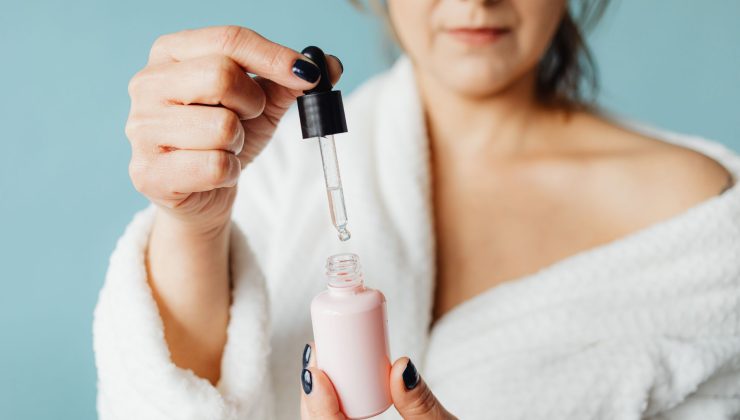
Peptides appear in conversations about prescription medicines, recovery, skin care, weight management, and healthy aging. That broad presence can make the subject sound like one unified treatment category with a shared set of benefits. In practice, the useful questions concern the individual substance, the reason for using it, and the evidence supporting that use.
For someone beginning research, the goal is to turn a broad interest into a specific medical discussion. Knowing a few distinctions can make service descriptions easier to interpret and help a consultation focus on realistic outcomes. A scientific-sounding label is a starting point for questions, not a complete explanation.
Understand the breadth of the category
Peptides are chains of amino acids. Their structures and activities differ, so the word does not tell a reader whether a particular product is appropriate, effective, or well studied. It is more useful to ask for the exact drug or ingredient name than to ask whether peptides in general “work.”
There are established peptide medicines. FDA’s guidance on peptide drug products includes semaglutide among the approved products addressed. The existence of approved medicines in this category does not establish that every peptide offered for wellness has undergone comparable evaluation or works for the same purposes.
MedLounge San Ramon’s Peptide Therapy page illustrates the breadth of the wellness conversation, presenting services around goals such as recovery, skin, sleep, and body composition. Readers can use that information to identify topics for a consultation while asking which specific product and evidence apply to their own concern.
Begin with the reason for seeking care
A useful first appointment starts with the person’s experience. Describe the symptom or goal, how long it has been present, and what has already been tried. Include any diagnosis or treatment plan from another clinician rather than starting with the assumption that a particular peptide is the solution.
For example, “I feel tired” leaves many questions open. Describe whether the concern is sleepiness, reduced exercise tolerance, difficulty concentrating, or something else. The clinician can then decide what assessment is appropriate. A more precise description makes the discussion more useful without requiring the patient to diagnose the cause.
Bring a short list of priorities. If several goals compete for attention, ask which should be addressed first and why. This can prevent a consultation from becoming an expanding list of products intended to address unrelated concerns at once.
Ask what the proposed product actually is
Request the generic name, formulation, and intended use in writing. If the proposal contains several ingredients, ask for each one and the reason it is included. A branded program name should not be the only description available to the person considering treatment.
Clarify whether the proposal involves an FDA-approved medicine for its approved use, an approved medicine used off-label, or an unapproved compounded product. These are different situations. Ask the clinician to explain what that distinction means for the evidence available and for the decision being considered.
FDA explains that compounded drugs are not FDA-approved and do not receive its premarket review of safety, effectiveness, and quality. Compounding may meet particular patient needs, but it should not be represented as product approval. Ask why a compounded preparation is proposed and whether an appropriate approved option is available.
Look closely at the evidence
Ask for research that matches the actual treatment and the outcome you care about. A study showing a change in a laboratory measurement may not establish an improvement in daily function. A study in a different patient population may not answer the question being asked in your consultation.
Request a plain-language explanation of the strongest available evidence and its limitations. Useful details include the number of participants, whether there was a comparison group, how long follow-up lasted, and whether adverse effects were reported. You do not need to interpret every statistical term to ask these questions.
Be cautious about treating testimonials as a forecast. An individual account can describe an experience, but it cannot establish what caused a change or how likely another person is to experience it. Ask for expected outcomes grounded in studies rather than a selection of success stories.
The same care applies to broad promises about aging or “optimization.” Ask what measurable outcome the phrase refers to and what evidence supports changing it. If the answer remains vague, it is reasonable to leave the goal undefined until the clinician can explain it more clearly.
Make the health review complete
Bring current medication and supplement lists, including products obtained online or from other clinics. Mention prior reactions and medical conditions, and share relevant results already available. A complete review allows the proposed treatment to be considered within the rest of your care.
Ask which assessments are needed and how their results would change the recommendation. Testing should have an understandable purpose. If a large panel is suggested, request an explanation of the decisions it is intended to guide rather than assuming that more measurements automatically create a better plan.
Discuss who is responsible for prescribing, follow-up, and answering questions. If different professionals participate, understand their roles and how information passes between them. Clear responsibility matters especially when a program includes several products or care is delivered partly remotely.
Define success before committing
A practical treatment plan should identify the concern being addressed and the basis for judging progress. Ask what improvement would be meaningful, when it would be reviewed, and what would lead to changing or stopping the plan. Avoid accepting a universal timeline that applies to every substance and every goal.
Consider keeping a brief record using measures agreed upon with the clinician. Note relevant changes elsewhere in your routine or treatment. This makes follow-up more informative and helps avoid attributing every good or bad day to the newest intervention.
Ask how uncertainty will be handled if there is no clear improvement. Reassessment should be part of the plan from the beginning. An additional product or a longer package should come with a fresh explanation, not simply follow automatically from disappointing results.
Consider practical and financial commitments
Request the anticipated cost of the complete plan, including consultations, medication, testing, supplies, and follow-up. Ask which charges are recurring and which are optional. Knowing the full commitment makes it easier to compare the proposal with other approaches to the same concern.
If treatment involves medication used outside the clinic, request the prescriber’s written instructions and a way to clarify them. Do not substitute an online protocol or another person’s experience for individualized directions. Ask whom to contact about storage, missed treatment, or an unexpected reaction.
Allow time to review the plan. A consultation can provide useful information without creating an obligation to purchase a package. Sharing the proposal with your regular clinician can also help connect it with existing care and avoid fragmented decisions.
A clearer way to approach the subject
Peptide treatments deserve evaluation at the level of the individual product and purpose. Some belong to established medical care, while other wellness uses involve substantial uncertainty. Readers can make better use of a consultation by defining their goal, checking product status, asking for relevant evidence, and agreeing on follow-up. The result should be a decision based on a specific health need and an understandable account of both possible benefits and limitations.