
What to Look for When Buying Polish Pottery as a Gift
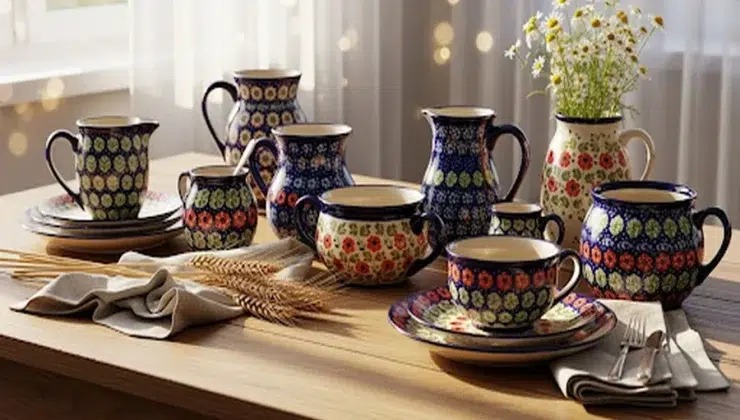
Thinking about giving Polish pottery as a gift? Great idea! These beautiful pieces from Bolesławiec, Poland, aren’t just attractive ceramics-they hold a long tradition, stand out with colorful designs, and last for years.
When you pick Polish pottery, you’re giving a present that carries cultural meaning, art, and usefulness. But with so many options, choosing the perfect item can be tricky.
What makes each piece truly special? Here’s a simple guide to help you pick the right piece from the world of pottery in Poland and make your gift unforgettable.
Why Polish Pottery Makes a Special Gift
Polish pottery is famous for winning people over around the world. Each pot or plate is a sign of generations of skilled work from Bolesławiec craftspeople.
These aren’t made in big factories, but shaped and painted by hand, so every piece is different. This focus on handmade quality not only makes your gift practical and pretty, but also meaningful.
What Makes Polish Pottery Well-Liked?
Polish pottery features strong, detailed designs that have been loved for centuries. These ceramics started in small Polish towns, but are now popular everywhere as a symbol of Polish tradition.
Since the 14th century, these items have been made with techniques that make them sturdy-they don’t easily fade, chip, or crack. They’re gifts made to last.
Patterns and Their Meanings
Polish pottery carries more than just beauty-it has history. Artisans create each stoneware piece by hand, using a mix of old and new designs. The well-known blue peacock eye pattern, for example, means wealth and royalty in Polish tradition.
Other patterns, like bright roosters (bravery), wheat stalks (plenty), lively fish (luck), and the Tree of Life (growth), make each piece more than just a dish or bowl. They tell a story.
What to Look for When Buying Polish Pottery as a Gift
When picking out Polish pottery for a gift, focus on realness and good craftsmanship. Knowing what marks to check will help you find a high-quality piece.
How to Spot Genuine Polish Pottery
Authentic Polish pottery is clearly marked. Flip the piece over and look for “Hand made in Poland” stamped on the bottom. This tells you it’s the real deal. Polish pottery is made with special clay only found near Bolesławiec, which is then fired at high temperatures for strength.
Each item is carefully handmade, and you won’t see two exactly the same.
Understanding the Marks: Stamps and Signatures
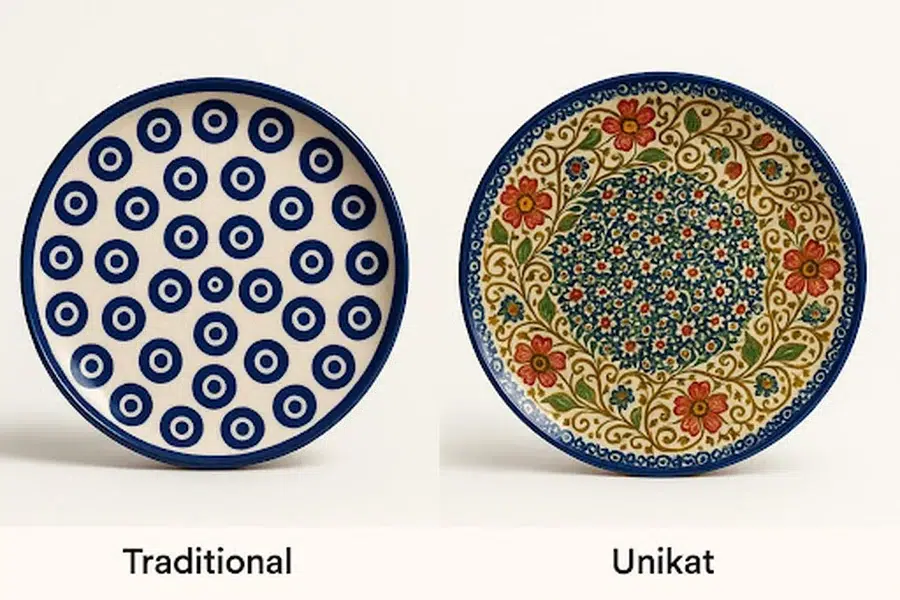
In addition to the “Hand made in Poland” mark, you might see other stamps, like the artist’s initials or a piece number. Items marked “UNIKAT” are special-they’re made by expert artists and often carry the artist’s signature.
Pieces also have a “gatunek” (grade) from 1 (best) to 5 (lowest). A rare Unikat piece might even say “Ltd Ed” to show it’s a limited edition and valuable to collectors.
Quality Differences: Traditional vs. Unikat
| Type | Description | Best For |
| Traditional | Simple, classic patterns like blue peacock feathers; made by several artisans; usually blue on white. | Everyday use |
| Unikat (Unique) | Carefully hand-painted by a single skilled artist; more colors and details; often signed. | Collecting, gifts, display, special occasions |
Unikat items go from U2 (less detailed) to U8 (most detailed)-the higher the number, the more work and skill involved. Traditional patterns are great for daily use, while Unikat pieces are great for collectors, display, or special days.
Finding Limited Editions
If you want something extra special, look for limited edition Unikat pieces, sometimes marked “Ltd Ed.” These are rare and carefully made, often signed by the artist. They are perfect for art lovers or collectors who want something unique and valuable.
Choosing Patterns and Designs
Polish pottery features many patterns, each with its own look and meaning. Picking a design that matches your recipient’s taste makes the gift more personal.
Common Patterns and What They Mean
- Peacock Eye: Blue circles with white dots, meaning beauty and elegance.
- Rooster: Bravery and strength.
- Wheat: Rich harvest and abundance.
- Fish: Good luck and lots of food.
- Tree of Life: Growth and family connections.
Most traditional patterns are blue on a white or cream background. They’re always in style and easy to recognize.
Unikat Patterns
Unikat (unique) patterns are more detailed, with more colors and complex brushwork. Made by skilled artists, every Unikat piece is different. If your recipient likes art or rare things, these are the way to go.
Color and Style Choices
Blue is most common in Bolesławiec pottery, but you’ll also see green, yellow, brown, red, and purple. Some colors are less common, which can make a piece more special and collectible.
Classic blue and white fits almost any home, while the more colorful styles work well in creative or country-style kitchens. Think about the person’s favorite colors or the way their home is decorated to help you pick the right pattern.
Picking the Right Polish Pottery Piece
There are many types of Polish pottery, so think about what fits the person and occasion best.
Dinnerware & Tableware
- Plates and bowls: Serving and daily meals
- Mugs and tea sets: For coffee or tea lovers
- Complete sets: Bowls, plates, cups, saucers, and more for those who entertain
These items are oven, microwave, dishwasher, and freezer safe, making them practical for everyday use. Bowls with wide rims and small serving dishes also make thoughtful gifts.
Specialty Items and Decor
- Baking dishes (great for desserts or casseroles)
- Muffin pans (for sweets or savory foods)
- Mixing bowls
- Honey jars
- Decorative platters and bowls
- Vases, plant pots, clocks, lamps, and figurines for decoration
Choosing for the Recipient
Match your gift to the person’s hobbies and needs. For example, buy a baker a sturdy baking dish; for a teacher, try pottery magnets; for a coffee lover, a hand-painted mug. There is a Polish pottery piece for everyone, making it easy to find a present that is both beautiful and useful.
Things to Know Before Gifting Polish Pottery
Before you choose a piece, consider these tips so your recipient can use their gift with confidence:
Is Polish Pottery Dishwasher and Microwave Safe?
Most Polish pottery is dishwasher and microwave safe. This makes it suitable for every day. Just don’t take it straight from a hot oven to a cold surface-this shock could cause cracks. Treat pottery gently, and it will last even longer.
Is it Lead-Free?
Yes, true Polish pottery is lead-free. The glazes use natural minerals, not lead. This makes these pieces safe for serving and storing food, so you don’t need to worry about health risks.
Can I Personalize Polish Pottery?
Many makers and sellers can create custom designs, so you can give a unique piece made just for someone. This usually takes 2-3 weeks, since each item is painted, glazed, and fired by hand. If you’re interested, ask your retailer about personalization options.
How to Take Care of Polish Pottery
While it’s made to last, cleaning and storing Polish pottery properly helps keep its shine and color bright for many years.
Basic Cleaning and Handling
- Hand wash gently with warm, soapy water and a soft sponge
- Avoid rough scrubbers or strong cleaners that could scratch the patterns
- Dry gently with a soft towel to avoid water spots
- Stack with care-use paper or cloth between pieces to stop them clinking and chipping
Long-Term Tips
- Keep away from quick temperature changes
- Show off special pieces on open shelves or in cabinets
- If a piece chips or cracks, a pottery repair expert can often fix it
By following these easy steps, your loved one can enjoy their pottery for a long time.
Questions About Buying Polish Pottery as a Gift
How do I know if my Polish pottery is real?
Check the bottom for the “Hand made in Poland” stamp. Learn what the main patterns look like, especially the blue designs, and buy from sellers who deal directly with Polish factories. Pieces marked “UNIKAT” or with artist signatures are especially trustworthy.
What are the main kinds of Polish pottery?
| Type | Main Features |
| Traditional | Simpler, stamped patterns mostly in blue and white; made by several artisans |
| Unikat | Detailed, hand-painted, more colors, often signed by one artisan |
Both are strong and well-made, but Unikat pieces are usually more collectible and cost more because of the extra care involved.
Can Polish pottery be both pretty and useful?
Yes! You can use Polish pottery for baking, serving, or simply as a centerpiece. Its strength and easy care make it practical, while the colors and patterns make any table or room look special.



