Are Snap In Dentures Worth It? Pros and Cons Explained
Tooth loss affects far more than appearance. It changes how you eat, how you speak, and how confident you feel in everyday interactions. For decades, traditional dentures were the default solution, but they often came with compromises that many patients found frustrating. Advances in dental implant technology have introduced new options that promise better comfort, stability, and long term satisfaction. One of the most popular alternatives today is snap in dentures.
If you are considering this treatment, the most important question is whether snap in dentures are truly worth the investment. The answer depends on your expectations, oral health, budget, and lifestyle. Understanding the advantages and limitations can help you make a confident and informed decision.
This guide breaks down how snap in dentures work, who they are best for, and the real world pros and cons you should weigh before committing.
What Are Snap In Dentures?
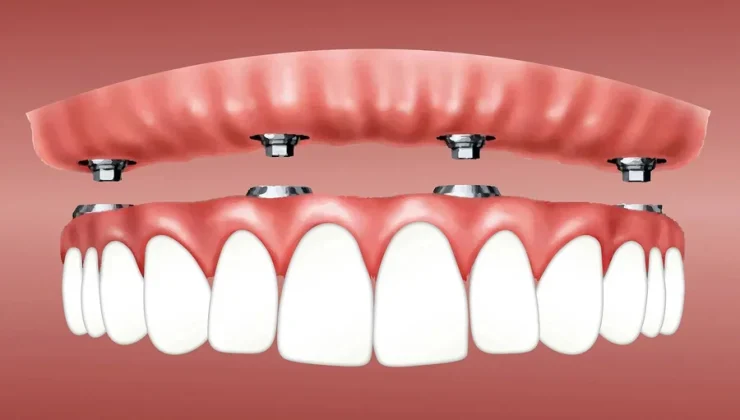
Snap-in dentures, sometimes called implant-retained dentures, are removable dental prosthetics that attach securely to dental implants placed in the jawbone. Unlike traditional dentures that rest directly on the gums and rely on adhesives or suction, snap-in dentures connect to implants through specialized attachments.
Typically, two to six implants are surgically placed in the jaw. The denture contains built in connectors that snap onto the implants, creating a firm hold. When properly seated, the denture feels stable during chewing and speaking, yet it can still be removed for cleaning.
This hybrid design combines the security of implants with the convenience of removable dentures, making it an appealing option for many patients.
How Snap-In Dentures Differ From Traditional Dentures
Understanding the differences between snap in dentures and conventional dentures helps clarify why many people consider upgrading.
Traditional dentures sit on top of the gums and depend on muscle control and suction to stay in place. Over time, as the jawbone shrinks due to tooth loss, the fit often becomes looser. This can lead to slipping, sore spots, and difficulty eating certain foods.
Snap-in dentures are anchored to implants embedded in the jawbone. This anchorage significantly improves stability and reduces movement. Because implants stimulate the jawbone, they also help slow bone loss, preserving facial structure over time.
While both options restore appearance and basic function, the experience of wearing them can be dramatically different.
Key Benefits of Snap-In Dentures
Improved Stability and Confidence
One of the biggest advantages of snap-in dentures is their stability. The implant connection prevents the denture from shifting during everyday activities like talking, laughing, or chewing. This added security often leads to greater confidence in social settings and eliminates the fear of embarrassing slips.
Better Chewing Efficiency
Because snap-in dentures are firmly anchored, they allow for stronger biting forces compared to traditional dentures. Many patients report being able to eat a wider range of foods, including firmer fruits, vegetables, and proteins. This improvement can lead to better nutrition and overall health.
Reduced Gum Irritation
Traditional dentures can rub against the gums, causing soreness and inflammation. Snap-in dentures place less pressure on the soft tissues because the implants absorb much of the chewing force. This often results in improved comfort and fewer sore spots.
Preservation of Jawbone Health
Dental implants stimulate the jawbone in a way similar to natural tooth roots. This stimulation helps slow the bone loss that commonly occurs after tooth loss. Preserving bone structure supports facial appearance and can reduce the need for future denture adjustments.
Easier Maintenance Compared to Fixed Options
While snap in dentures must be removed for cleaning, many patients appreciate this aspect. Removing the denture allows for thorough cleaning of both the prosthetic and the implants, which can help maintain long-term oral health.
Potential Drawbacks to Consider
While snap-in dentures offer many benefits, it is important to understand the potential limitations before deciding if this treatment is right for you.
Higher Initial Cost
Snap-in dentures are more expensive than traditional dentures due to the cost of implants, surgery, and specialized components. While they are often more affordable than fully fixed implant bridges, the upfront investment can still be significant.
For some patients, financing options or phased treatment plans may help make the cost more manageable, but it is important to be realistic about the financial commitment.
Surgical Procedure Required
Implant placement is a surgical procedure, which means healing time is required. Some patients may need bone grafting if their jawbone density is insufficient, adding time and cost to the process.
Although implant surgery is generally safe and well-tolerated, it may not be suitable for everyone, especially individuals with certain medical conditions or heavy smoking habits.
Ongoing Maintenance of Attachments
The attachment components that allow the denture to snap onto the implants can wear over time. Periodic replacement or adjustment of these parts is normal and should be factored into long-term maintenance costs.
Regular dental visits are essential to ensure the implants remain healthy and the denture continues to fit properly.
Still Removable
While many people appreciate the ability to remove their dentures, others prefer a fully fixed solution that stays in place at all times. If your goal is a restoration that feels as close as possible to natural teeth and never needs to be taken out, a fixed implant bridge may be more appealing.
Who Is a Good Candidate for Snap-In Dentures?
Snap-in dentures are well-suited for individuals who want improved stability without committing to a fully fixed restoration. Ideal candidates often include people who:
- Are missing most or all teeth in one or both arches
- Have sufficient jawbone to support implants, or are willing to undergo bone grafting
- Are in good general health
- Want a more secure alternative to traditional dentures
- Are comfortable removing their denture for cleaning
Patients who struggle with loose dentures or frequent sore spots often find snap in dentures life-changing.
How Long Do Snap-In Dentures Last?
With proper care, the implants supporting snap-in dentures can last many years, often decades. The denture itself may need to be replaced or relined over time as the mouth changes naturally with age.
Attachment components typically require replacement every few years, depending on wear and usage. Routine dental checkups and good oral hygiene play a critical role in extending the lifespan of the entire system.
Cost Versus Value Over Time
When evaluating whether snap-in dentures are worth it, it is helpful to consider long-term value rather than just initial cost.
Traditional dentures may seem more affordable upfront, but they often require frequent relines, replacements, and adhesive products. They also do nothing to prevent bone loss, which can lead to further oral health issues.
Snap-in dentures tend to provide better comfort, function, and durability. Many patients feel that the improved quality of life justifies the higher initial investment.
Understanding Removal and Cleaning
A common concern is how removal works and whether it feels complicated. In practice, most patients adapt quickly. The denture snaps on and off with gentle pressure, and your dentist will show you the proper technique.
This removability allows for excellent hygiene, which is especially important for long-term implant success. Patients researching removal implant dentures often find that clinics like FixedDentalCare emphasize patient education to ensure comfort and confidence with daily care routines.
Snap-In Dentures Versus Fixed Implant Bridges
Both options use dental implants, but the experience differs. Fixed implant bridges are permanently attached and can only be removed by a dentist. They often feel closest to natural teeth but typically require more implants and a higher financial investment.
Snap-in dentures offer a balance between stability and affordability. They are easier to clean at home and often require fewer implants, making them accessible to a broader range of patients.
Choosing between the two depends on personal preferences, anatomy, and budget.
Making the Right Decision for Your Needs
Snap-in dentures are not a one-size-fits-all solution, but for many people, they offer a meaningful upgrade from traditional dentures. The improved stability, comfort, and confidence they provide can significantly enhance daily life.
However, they require a willingness to undergo surgery, commit to proper maintenance, and invest financially. A thorough consultation with an experienced dental professional is essential to determine whether this option aligns with your goals and oral health.
Final Thoughts
So, are snap-in dentures worth it? For patients who value stability, comfort, and long-term oral health, the answer is often yes. They bridge the gap between conventional dentures and fully fixed implant solutions, offering a practical and effective way to restore function and confidence.
By weighing the pros and cons carefully and understanding what the process involves, you can make a decision that supports not only your smile but your overall quality of life for years to come.