Infection, blood clots, and other risks after hip surgery: Explained
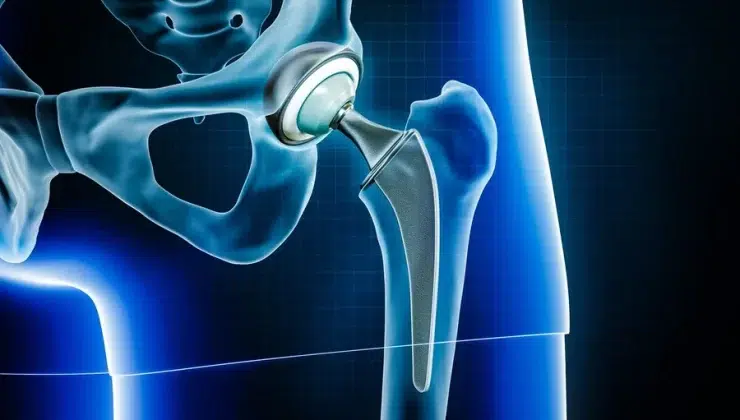
Getting hip surgery is a difficult decision. Despite helping millions of people regain their mobility and move on from pain, it is still a medical procedure at the end of the day. As such, it is difficult not to wonder how safe and risk-free this surgery really is. To be honest, it has its fair share of complications that doctors often look out for.
But modern medicine has come a long way since hip surgery first became a thing – different surgical techniques and post-operative care have dramatically reduced how often such complications actually occur. Still, if you’re looking to get a surgery from a good hip surgeon in London, it’s best to cover all grounds from your end. Let’s walk through some of the most common complications related to hip surgeries that doctors look out for.
Why are complications after hip surgery so uncommon now?
Over the last few decades, surgical techniques, hospital protocols, and even the materials used in our implants have undergone significant improvements. Not only that, but thanks to advanced imaging, minimally invasive approaches to surgeries, and all-encompassing rehabilitation plans, the doctors do everything they can and more to ensure that you experience no post-operative complications.
Hospitals also follow strict infection-control procedures these days and monitor their patients closely as they recover. All that is to say, while complications are certainly still possible, they are no longer the norm with hip surgeries. The majority of patients recover well and experience significant improvement in mobility and quality of life after surgery.
What are the chances of an infection after hip surgery?
Any time you make a surgical incision into the body, there is always a small risk of bacteria entering the wound. In hip surgeries, such infections usually occur either in the superficial layers of skin around the incision or deeper within the joint itself. The latter is more problematic of the two, as the bacteria may potentially attack the implant itself. When that happens, the doctors will need to surgically clean your joint or replace the implant altogether, depending on the infection’s severity.
To prevent this, doctors go to great lengths by prescribing antibiotics before and after surgery. Not only that, the operating rooms are maintained under strict sterile conditions, and the team follows a rigorous hygiene protocol to eliminate bacteria. You too need to keep your wound clean, follow the dressing instructions properly, and report to your doctor on time if anything feels off. That would generally involve redness, swelling, warmth around the incision, fever, or unusual drainage from the wound. If any of these symptoms appear, contact your surgical team promptly to intervene before the infection spreads further.
Why are blood clots after hip surgery treated so seriously?
Development of blood clots after hip surgery is medically known as deep vein thrombosis (DVT). DVT generally happens if you spend long periods lying in bed after a procedure, causing your veins to become sluggish. This is problematic as not only can it cause swelling, pain, and warmth that can reach up to your calf, but it can also travel upwards to your lungs, causing pulmonary embolism.
To prevent this, you’ll likely be prescribed some blood-thinning medication to reduce the likelihood of clot formation after surgery. You may also be asked to wear compression stockings or engage in pneumatic leg pumps to further improve your circulation.
But even more important is to stay active right after the surgery. There is a very high chance that your doctor will ask you to start moving the same day as your surgery and also begin physiotherapy soon after. Please do both of these without fail, as this will go a long way in ensuring that your hip surgery is a success.
At the same time, watch for symptoms such as persistent leg swelling, sudden shortness of breath, chest pain, or coughing up blood. All these things warrant immediate medical attention, so be sure to let your doctor and surgical team know as soon as possible.
Can you also get nerve or blood vessel injuries after a hip surgery?
While rare, the fact remains that our hip joint sits very close to several important nerves that control movement and sensation in the leg. So if, during surgery, the nerves end up stretched or irritated, you may experience temporary numbness, tingling, or weakness in the leg or foot. Most of the time, this will heal in no time, and there are even lower chances of permanent nerve damage – especially if the procedure is performed by experienced surgeons who regularly carry out hip operations.
Blood vessel injuries are even less common, but can still happen because some large arteries and veins around the hip are located close to the surgical field. Because of how cautious surgical teams usually are, serious vascular injuries are one of the rarest in orthopaedic surgeries of any kind. Even if something does happen, the issue will be identified almost immediately and addressed during the procedure.
Can your hip implant get dislocated?
During the early recovery period after your surgery, certain movements can push your artificial joint out of alignment before surrounding tissues stabilise it. This is what’s called a hip dislocation.
Generally, surgeons reduce the risk of this happening by carefully positioning the implant and teaching patients specific precautions during recovery. For instance, you may be asked to avoid bending deeply, cross your legs, or do any twisting motions for at least one or two months. Physiotherapy is also important for this, as the more you strengthen your muscles, the more your hip joint’s stability will increase and the lower your risk of dislocation will be.
Take good care of your hip joint
At the end of the day, infections, blood clots, nerve irritation, or joint dislocation are all very real possibilities with your joint after hip surgery. But what’s also real is that all of them have become extremely rare and uncommon thanks to technological and medicinal advancements. Even if something does happen, there is a protocol to address nearly every possible complication.
So, on the one hand, you have all these risks that have become, more or less, negligible over the last few years. On the other hand, you reap the benefits of reduced pain, improved movement, and restored independence. For a lot of people, the slight patience and commitment it takes to recover from a hip surgery is more than worth it for what you get in return.