Invisalign and Dental Hygiene: Maintaining Oral Health During Treatment
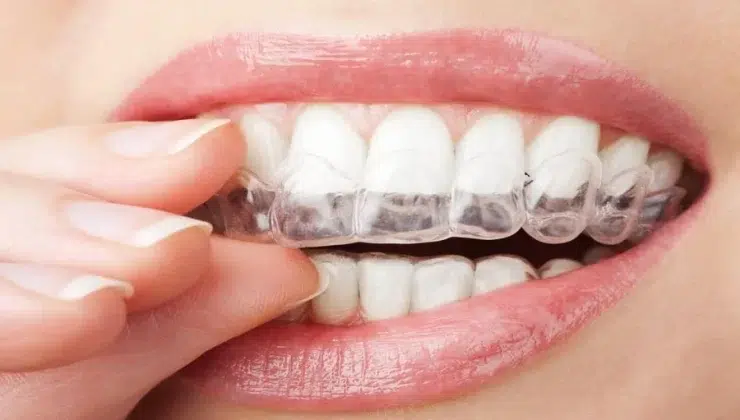
Invisalign has become a popular choice for individuals seeking to straighten their teeth discreetly and comfortably. Unlike traditional braces, Invisalign aligners are clear, removable, and custom-designed to fit the unique structure of each patient’s mouth. While the treatment offers convenience and aesthetic advantages, maintaining proper oral hygiene throughout the process is essential. Wearing aligners can create an environment conducive to plaque buildup, cavities, and gum issues if proper care is not taken. We will explore strategies and tips for maintaining healthy teeth and gums while undergoing Invisalign treatment, ensuring that the journey to a straighter smile does not compromise overall oral health. With the right approach, patients can enjoy both a beautiful smile and a healthy mouth simultaneously.
Maintaining Oral Health with Invisalign
-
Regular Brushing and Flossing
Brushing and flossing are fundamental to oral hygiene, but their importance increases during Invisalign treatment. Because aligners cover teeth for extended periods, food particles and bacteria can become trapped against the tooth surface. Patients should brush at least twice daily, using a soft-bristled toothbrush and fluoride toothpaste to remove plaque and prevent cavities. Flossing once a day is equally critical, as it reaches areas that toothbrushes cannot access. Special attention should be given to the gumline and between teeth, where bacteria can accumulate.
For those wearing aligners, brushing after every meal before reinserting the aligners can significantly reduce the risk of staining, decay, and gum inflammation. Patients seeking Invisalign in North Vancouver, BC, can benefit from carrying a travel toothbrush or using disposable floss picks to maintain cleanliness even when away from home. Consistency in brushing and flossing ensures that Invisalign treatment progresses without creating additional oral health problems.
-
Cleaning the Aligners Properly
Aligners themselves can harbor bacteria if not cleaned properly. Patients should rinse aligners with lukewarm water each time they remove them and clean them at least once a day using a clear, mild soap or a cleaning solution specifically designed for Invisalign. Harsh chemicals or hot water should be avoided, as they can cause the plastic to warp. Using a soft-bristled toothbrush to gently scrub the aligners can remove plaque and debris without causing damage.
It is also important to store aligners in a protective case when not in use to prevent contamination. Maintaining clean aligners not only supports oral hygiene but also prevents bad breath and reduces the likelihood of staining. Neglected aligners can quickly accumulate bacteria, undermining the benefits of daily brushing and flossing. Proper care ensures that aligners remain transparent and effective throughout the treatment process.
-
Mindful Eating Habits
Unlike traditional braces, Invisalign aligners are removable, allowing patients to eat without restrictions. However, eating without removing aligners can trap sugars and food particles against teeth, leading to decay and gum irritation. Patients should remove aligners before consuming any food or drink other than water. After eating, brushing teeth, and rinsing the mouth thoroughly before reinserting aligners helps maintain oral health. Additionally, limiting sugary and acidic foods can further protect teeth from enamel erosion and cavities. Drinking water throughout the day can help wash away food particles and reduce bacterial growth. By combining mindful eating habits with proper aligner care, patients can enjoy their favorite foods while minimizing the risk of oral health issues during Invisalign treatment.
-
Routine Dental Checkups
Regular visits to the dentist are crucial while wearing Invisalign aligners. Even with diligent home care, professional cleanings and checkups can identify early signs of cavities, gum disease, or other oral health concerns. Dentists can also ensure that aligners fit properly and that teeth are moving according to the treatment plan. These appointments provide an opportunity to receive guidance on brushing techniques, flossing methods, and aligner care tailored to individual needs. Maintaining scheduled checkups ensures that potential problems are addressed promptly, preventing minor issues from becoming serious complications. Patients who commit to routine dental visits are more likely to achieve successful outcomes and maintain a healthy smile throughout and after Invisalign treatment.
- Using Additional Oral Hygiene Tools
In addition to brushing and flossing, certain tools can enhance oral hygiene during Invisalign treatment. Interdental brushes or soft picks can reach tight spaces between teeth that aligners may not be able to access, allowing them to remove food particles that may be trapped. Antimicrobial mouth rinses can help reduce bacterial buildup and maintain gum health. Water flossers can be particularly effective for patients who find traditional flossing challenging, as they provide a gentle yet thorough cleaning along the gumline and between teeth. Incorporating these tools into daily routines can complement standard oral care practices, reducing the risk of cavities and gum problems. Personalized recommendations from a dentist can help determine which tools are most suitable for each patient, ensuring that oral hygiene remains strong while wearing aligners.
Invisalign offers a discreet and convenient method for achieving a straighter smile, but it requires dedication to maintaining oral health throughout treatment. Regular brushing, flossing, and professional checkups, combined with proper aligner care and a balanced diet, form the foundation of successful hygiene practices. Additional tools, such as interdental brushes, mouth rinses, and water flossers, can further enhance oral cleanliness, while attention to lifestyle habits helps prevent complications. By staying proactive and attentive, patients can ensure that their teeth remain healthy, gums stay strong, and aligners function effectively. Maintaining oral health during Invisalign treatment not only supports a beautiful smile but also promotes long-term dental well-being, making the journey toward aligned teeth both safe and rewarding.
Kazde wieksze kasyno oferuje jakas forme lojalnosci, od prostego zbierania punktow po rozbudowane kluby. Nazwy roznia sie mocno, mechanizm mniej, a najwazniejsza liczba, przelicznik punktow, zwykle nie jest eksponowana.
Kurs wymiany i wygasanie punktow
Punkty czesto wygasaja po okresie nieaktywnosci, a poziomy spadaja bez utrzymanego wolumenu, co zamienia program w zachete do dalszej gry. Zeby to sprawdzic, mozna bison i przeczytac zasady wygasania przed rejestracja. Zwrot od strat bywa wart wiecej niz same punkty.
| Korzysc | Do sprawdzenia |
|---|---|
| Punkty za obrot | Ile obrotu na punkt |
| Utrzymanie poziomu | Wymagany wolumen |
- Policz wartosc punktu, zanim zaczniesz zbierac
- Sprawdz, czy punkty wygasaja po nieaktywnosci
Program lojalnosciowy nagradza to, ze duzo grales, a nie to, ze wygrales. Nigdy nie jest powodem, by grac wiecej. Jesli i tak grasz, wybierz przejrzysty przelicznik i trzymaj budzet niezalezny od zbieranych punktow.