Discover the Best Siding Types That Instantly Boost Your Home’s Curb Appeal
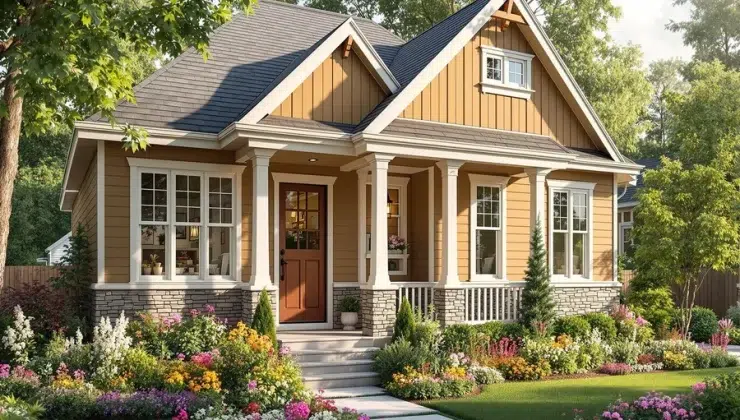
A home’s exterior creates the first impression that lasts. The right siding choice gives it charm, character, and strength against the elements. Attractive siding draws attention while increasing the property’s overall value.
Choosing the best siding for curb appeal requires an eye for design and an understanding of material performance. Each siding option offers its own aesthetic and maintenance needs. With the right balance of beauty and durability, a home can stand out with timeless appeal.
1. Vinyl Siding Brings Versatility and Value
Vinyl siding remains a classic favorite for homeowners who seek low maintenance and affordability. It resists moisture, doesn’t peel, and keeps its color through harsh weather. Modern versions come in various textures that mimic natural wood without the upkeep.
The lightweight panels are easy to install, which makes them suitable for quick exterior upgrades. They come in many colors, which offers flexibility to match any architectural style. Properly installed vinyl siding maintains its appearance for decades with minimal care.
2. Fiber Cement Offers Strength and Sophistication
Fiber cement siding provides a luxurious finish that enhances elegance and durability. It combines cement, sand, and cellulose fibers, which creates a tough surface that withstands heat, insects, and heavy rainfall. The result is a long-lasting product that looks polished for years.
Its texture can imitate wood or stone, which gives homeowners creative freedom in design. Although it requires professional installation due to its weight, the longevity makes it worth the investment. Periodic repainting refreshes its look while keeping it weather-resistant.
3. Wood Siding Adds Natural Warmth
Few materials match the organic beauty of natural wood siding. Its texture and grain patterns bring warmth and authenticity to the home’s appearance. Cedar, redwood, and pine are popular choices that blend seamlessly into lush surroundings.
Advantages of Wood Siding:
- Timeless Appearance: It enhances both traditional and rustic designs.
- Eco-Friendly Option: Sustainable wood sources make it environmentally conscious.
- Customizable Finish: Paint or stain can personalize the final look.
- Repair Ease: Individual panels can be replaced without major work.
Wood siding requires consistent sealing and staining to protect against moisture. When maintained properly, it rewards with charm and longevity that never goes out of style.
4. Metal Siding Delivers Modern Appeal
Metal siding brings a sleek, contemporary touch to residential architecture. Aluminum and steel are popular choices for their clean lines and reflective qualities. They resist warping, rot, and pests, which provides style and strength.
Powder-coated finishes come in many colors and textures that resist fading. Metal panels also reflect sunlight, which helps regulate interior temperatures. This option suits homeowners who look for a distinctive and long-lasting exterior statement.
5. Brick and Stone Veneer Add Timeless Grandeur
Brick and stone veneer create a sense of permanence and luxury. These materials enhance curb appeal through texture, depth, and color variation. They are fire-resistant and require very little maintenance, which makes them as practical as they are beautiful.
Key Highlights:
- Enduring Appeal: Adds architectural richness that never feels outdated.
- Durability: Withstands harsh weather and stays intact for generations.
- Design Flexibility: Combines well with other siding types for contrast.
- Low Upkeep: Occasional washing keeps the surface clean and bright.
Installing veneer provides the elegance of traditional masonry without the full weight or expense of solid stone. Hence, the result is an exterior that feels refined and enduring.
Every siding type carries its own blend of charm, strength, and visual character. The best siding for curb appeal enhances both personality and protection for the home. A well-chosen siding style thus transforms a simple structure into a striking architectural statement.