How to Build a Custom Home on a Budget: Tips and Tricks
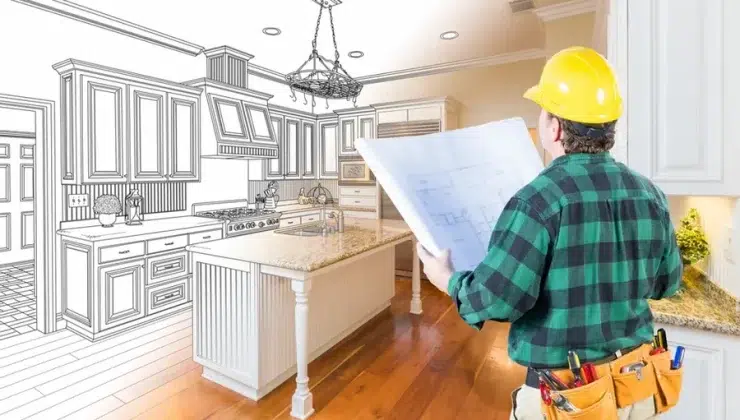
Anyone who’s priced custom homes knows the sticker shock. You start dreaming, then see the numbers and wonder if you’ll ever afford what you want.
I’ve been there too. After getting quotes that made me dizzy, I learned through research and talking with builders that custom doesn’t have to mean expensive.
Building smart means knowing where money matters and where it doesn’t. The foundation matters. The fancy light fixtures? Not so much right now.
This guide comes from real experience and mistakes. These tips saved me over $45,000 on my build without giving up the important stuff.
Skip the common budget traps and focus on what creates actual value. Your wallet will thank you.
Figure Out What You Can Actually Spend
Find out what you can really afford first. Talk to banks about construction loans. They work different from house loans. Ask about payments, rates, and when bills start.
Count all these costs:
- Land costs (if not already owned)
- Site prep (clearing, grading, utilities)
- Building costs
- Permits and fees
- Landscaping
- Inside stuff and fixtures
- Extra money for surprises (10-15%)
| Budget Item | Typical % of Total | Common Mistake | Better Approach |
| Land | 15-25% | Buying without soil testing | Get perc tests before purchase |
| Foundation | 10-15% | Skimping on drainage | Add proper waterproofing |
| Framing | 15-20% | Rush job | Use experienced framers |
| Roof/Exterior | 10-15% | Cheapest materials | Mid-grade with good warranty |
| Plumbing/Electrical | 10-15% | Minimal outlets | Plan for future needs |
| Interior Finishes | 25-35% | All high-end | Mix high-end and budget items |
Don’t lie to yourself about costs. If money’s tight, build smaller or wait longer. Money problems during building lead to bad choices.
Keep the Design Simple and Smart
Fancy shapes cost more money. Box houses cost less. Houses with lots of corners need more stuff and more work.
- Simple rectangular or square footprints
- Standard gable or hip roofs
- Conventional ceiling heights
- Standard-sized windows and doors
- Efficient plumbing layouts with grouped bathrooms
Focus on flow and function over features. A well-designed 1,800 square foot home often works better than a poorly designed 2,500 square foot one.
Consider future expansion possibilities. Building core living spaces well now allows for adding features like porches or bonus rooms later when budget permits.
Stock Plans Instead of Starting from Scratch
Many custom home builders in Columbus offer stock plans you can change to fit your needs.
Hiring architects costs between $100-$250 per hour. Custom designs need many hours of work. Stock plans save money while still making your home feel personal.
Places to find good plans:
- Builder plan books
- House plan websites
- Home magazines
Most plans let you change inside walls, room sizes, and outside looks. You get design choices without paying full architect prices.
Check that your plan works with your land. Plans made for flat lots cost more to change for hills.
| Stock Plans | Custom Architect Designs |
| $500-$3,000 | $5,000-$15,000+ |
| Ready in days | Takes weeks or months |
| Limited changes allowed | Unlimited customization |
| Tested designs | Completely unique |
| Lower risk of design flaws | Higher design flexibility |
| Builder familiarity with plans | Learning curve for builders |
Where to Splurge and Where to Save on Materials
Some parts of a home need money more than others. Know where to spend and where to save.
Areas where savings make sense:
- Standard framing lumber
- Basic insulation products
- Utilitarian concrete finishes in garages
- Secondary bathroom fixtures
- Interior doors in low-visibility areas
- Basic lighting in less-used spaces
Areas worth the investment:
- Quality windows for energy efficiency
- Kitchen countertops and cabinets
- Primary living area flooring
- Roofing materials
- Exterior doors and trim
- Main bathroom fixtures
Focus spending on elements difficult to upgrade later, particularly structural components and items within walls. Decorative elements can be upgraded over time as budget allows.
Timing Your Build to Save Money
When you build matters for your wallet. Off-season projects often cost less.
Consider scheduling advantages:
- Fall/winter starts when contractors seek work
- Material purchases during annual sales periods
- Avoiding tariff implementation periods for imports
- Building during lumber price dips
Remember that construction loans cost more than regular mortgages. Faster builds mean less interest paid.
Simple houses finish quicker than complex ones. This alone might save thousands.
What You Can Handle Yourself (and What You Shouldn’t)
Doing work yourself saves money. But know your limits.
Tasks generally unsuitable for homeowner completion:
- Electrical wiring (safety concerns and permit requirements)
- Plumbing rough-ins (technical complexity and potential damage)
- Structural framing (code compliance issues)
- Roofing installation (safety risks)
Tasks often suitable for homeowner completion:
- Interior and exterior painting
- Landscaping
- Trim installation
- Tile backsplashes
- Cabinet assembly and installation
Every hour of work you do yourself means money saved for better materials. Just remember that DIY usually takes longer than pros. This might cost extra in loan interest if it delays your finish date.
Final Thoughts
Smart planning beats penny-pinching. Build wisely.
Plan thoroughly. Keep things simple. Put money where it matters most. Watch your timing. Know what jobs you can handle.
Follow these steps and your budget goes further than you thought possible.