How To Maintain Peak Performance After A Water Heater Installation — And Why That Matters
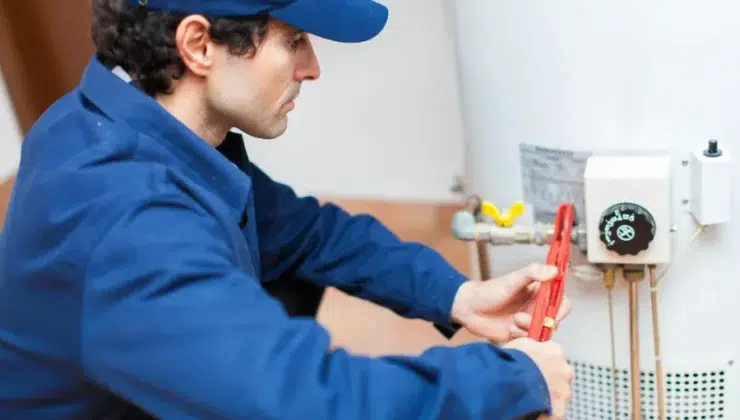
A newly installed water heater is a vital addition to any home, providing comfort, convenience, and efficiency in daily living. However, maintaining that performance over time requires attention, awareness, and consistent care. A water heater doesn’t operate indefinitely on its own; it depends on the homeowner’s effort to keep it in peak condition. We will explore how to maintain the performance of your water heater after installation and why such maintenance has a direct impact on energy efficiency, safety, and long-term savings. Proper upkeep ensures that your water heater runs efficiently, providing reliable hot water while preventing unexpected breakdowns or costly repairs.
Essential Steps to Maintain Water Heater Efficiency and Longevity
-
Regular Inspection and Cleaning
The first step toward maintaining optimal performance after a water heater installation in Cotati is conducting regular inspections. Over time, minerals and sediment can accumulate inside the tank, reducing efficiency and increasing energy consumption. Homeowners should flush the tank every few months to remove these deposits. This simple maintenance step prevents scaling and corrosion, ensuring consistent heating and extending the unit’s lifespan. Additionally, it’s essential to inspect the heater for leaks, rust, or damp spots around its base, as these can indicate underlying issues. The anode rod, a critical component that protects the tank from corrosion, should also be examined annually and replaced if significantly worn. Regular inspections and cleanings can prevent small issues from developing into major problems, ensuring your water heater operates at its intended capacity for years to come.
-
Monitor Water Temperature Settings
Water temperature plays a crucial role in both energy efficiency and safety. Setting your water heater’s thermostat to around 120°F (49°C) helps maintain comfort while preventing excessive energy use. Temperatures set too high can lead to scalding risks and unnecessary wear on the heater, while lower settings may cause insufficient heating and bacterial growth in stored water. Monitoring and adjusting the thermostat as needed ensures an ideal balance between performance and safety. This practice not only enhances your heater’s lifespan but also helps reduce utility bills. In addition, checking the thermostat periodically ensures it’s functioning accurately. A malfunctioning thermostat can cause inconsistent water temperatures or overworking of the heating elements. By managing your temperature settings wisely, you create a more efficient system that delivers reliable hot water without straining energy resources or compromising household safety.
-
Check Pressure Relief Valves
The pressure relief valve is a vital safety component of any water heater, designed to release pressure if it becomes too high inside the tank. Testing this valve regularly helps confirm that it’s functioning correctly. A faulty or clogged valve can lead to dangerous pressure build-up, risking damage or even tank failure. To test it, gently lift the lever to allow water to flow from the discharge pipe—this confirms it’s working. If water doesn’t flow or continues to leak afterward, the valve likely needs to be replaced. Maintaining the integrity of the pressure relief valve ensures the system operates safely under varying conditions. It’s a simple yet essential preventive measure that contributes to both performance and safety. A well-functioning valve helps balance internal pressure, preserving the overall health of your water heater and preventing unexpected issues that could interrupt your household’s hot water supply.
-
Insulate the Tank and Pipes
Proper insulation is another effective way to maintain performance after installation. Insulating the tank and hot water pipes reduces heat loss, ensuring that the water remains warm for longer periods without requiring the system to work harder. This leads to reduced energy consumption and faster access to hot water. Homeowners can use inexpensive insulation materials available at hardware stores to wrap the heater and pipes. For older models or units located in colder areas such as basements or garages, insulation makes an even greater difference in performance.
It also prevents condensation on the tank’s exterior, which can contribute to corrosion over time. Ensuring your water heater and pipes are properly insulated is an easy and affordable method to maintain efficiency and extend equipment life. Additionally, insulation ensures consistent water temperature delivery, reducing strain on heating components and enhancing overall system stability.
-
Schedule Professional Maintenance
While routine maintenance can often be handled by homeowners, periodic professional servicing remains essential. A trained technician can identify potential issues that might go unnoticed, such as worn components, hidden leaks, or failing heating elements. Regular maintenance visits ensure all parts of the system are performing optimally and safely. Technicians also have the tools to perform deep cleanings, check electrical connections, and verify that gas or electric systems are operating efficiently.
Scheduling maintenance at least once a year can prevent unexpected malfunctions and help preserve warranty coverage. Moreover, professional servicing provides peace of mind that your water heater is functioning safely and effectively. When your water heater receives consistent attention, it delivers steady hot water, saves energy, and reduces the likelihood of major repairs or replacements. This proactive approach translates to comfort and cost-efficiency for years to come.
Maintaining peak performance after a water heater installation isn’t just about convenience—it’s about maximizing efficiency, safety, and longevity. Regular care, encompassing inspections, temperature adjustments, insulation, and professional servicing, plays a crucial role in preserving your investment. By staying proactive, you not only extend the lifespan of your equipment but also enjoy peace of mind knowing that your home’s hot water system is operating at its full potential every day.