How to Maximize the Lifespan of Your Air Conditioning Unit
Air conditioning units are vital for maintaining comfort, especially during hot summer months. While they provide relief from high temperatures, many homeowners overlook the maintenance needed to ensure these systems last for many years. A neglected air conditioner can become inefficient, costly, and prone to breakdowns. We will explore practical steps and habits that can help extend the life of your AC unit while maintaining optimal performance. By adopting these practices, you can protect your investment, lower your energy bills, and maintain consistent comfort in your home. Proper care doesn’t require complicated processes; it’s about being proactive, attentive, and consistent in maintaining your system.
Practical Ways to Extend the Life of Your Air Conditioner
-
Regular Filter Cleaning and Replacement
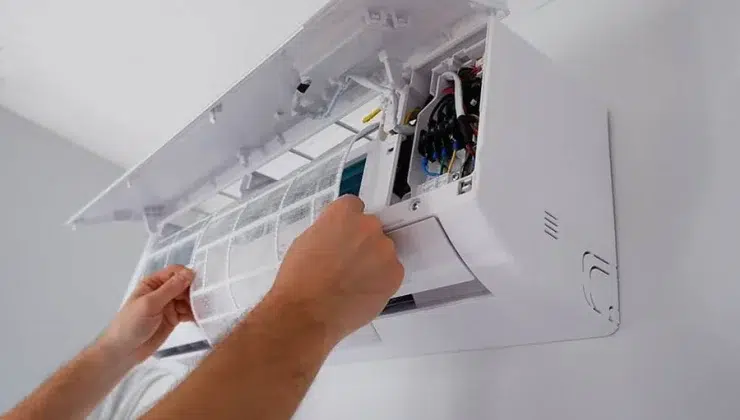
The air filter is the first line of defense for your AC unit, capturing dust, pollen, and other airborne particles. A clogged filter forces the system to work harder, which increases wear and tear and reduces efficiency. Cleaning or replacing filters every one to three months, depending on usage and environmental conditions, can help prevent dust accumulation on critical components, such as coils and fans. For guidance on proper maintenance and high-quality replacement parts, homeowners can visit https://centralheatingontario.com/. Additionally, a clean filter improves indoor air quality and reduces the chances of mold and bacteria growth within your unit. Even in areas with relatively low pollution, checking filters regularly ensures that airflow remains unobstructed, allowing your AC to maintain consistent cooling performance without unnecessary strain.
-
Schedule Annual Professional Maintenance
While routine cleaning is crucial, a thorough inspection by a licensed technician at least once a year can catch issues that are not visible to homeowners. Professionals can examine the refrigerant levels, inspect the electrical connections, clean the evaporator and condenser coils, and ensure that the system operates efficiently. Addressing small problems early prevents larger, costlier repairs down the line. Technicians can also identify worn-out components, leaks, or blockages before they escalate into more serious issues. Even if your AC appears to be running smoothly, annual maintenance ensures that minor inefficiencies do not accumulate over time, thereby safeguarding the unit’s longevity and maintaining its cooling capacity throughout the season.
-
Keep the Outdoor Unit Clean and Clear
The external condenser unit is exposed to the elements and can easily accumulate leaves, dirt, and debris. Regularly clearing this area and washing the unit gently with a hose ensures proper airflow and heat exchange. Avoid using high-pressure water, which can damage delicate fins and internal components. Ensure there is at least two feet of clearance around the unit to allow air to flow freely. Overgrown plants, fallen leaves, and dust can significantly reduce efficiency, forcing the compressor to work harder and shortening its lifespan. Simple upkeep, such as trimming nearby vegetation and removing debris, prevents overheating and improves overall performance.
-
Monitor and Maintain Proper Thermostat Settings
Using your thermostat wisely can reduce unnecessary strain on your air conditioning system. Setting it at a comfortable but moderate temperature prevents the unit from overworking. Avoid constantly switching between extreme temperatures, as this forces the system to cycle frequently, increasing wear on mechanical components. Programmable or smart thermostats can help by adjusting settings based on your daily schedule, reducing energy consumption when the house is empty. Maintaining steady and reasonable temperature levels ensures the compressor and fan motors operate efficiently, ultimately prolonging the unit’s operational life and reducing the likelihood of sudden breakdowns during peak usage periods.
-
Seal Ductwork and Insulate Properly
Leaks in ductwork can result in significant energy loss, forcing your air conditioner to compensate and leading to increased strain on the system. Regularly inspecting and sealing ducts with appropriate materials ensures that cooled air reaches every room efficiently. Additionally, proper insulation around ducts and the home itself prevents conditioned air from escaping, improving overall energy efficiency. By minimizing the workload on the system, you reduce wear on critical components and lower energy bills. Efficient duct management not only extends the lifespan of your air conditioner but also enhances indoor comfort and ensures even cooling throughout your living space.
-
Use Fans and Ventilation to Support Cooling
Complementing your AC unit with ceiling fans or portable fans can distribute cooled air more evenly and reduce the demand on the air conditioner. Proper circulation prevents hot spots, allowing the system to maintain a steady temperature without overexerting. Using ventilation strategically, such as opening windows during cooler nights, can also reduce the need for constant air conditioning. Supporting your AC with auxiliary airflow mechanisms decreases the frequency and duration of heavy cycling, lowering the risk of mechanical stress and extending the overall life of the unit. This simple step also contributes to energy savings, making your cooling strategy both sustainable and effective.
-
Address Minor Repairs Promptly
Ignoring small issues, such as unusual noises, strange odors, or inconsistent cooling, can lead to more significant mechanical failures. Timely attention to minor problems prevents damage to essential components, such as the compressor or fan motor. Homeowners should be attentive to early warning signs, as they often indicate underlying problems that, if addressed quickly, can be avoided with costly replacements. Even minor refrigerant leaks, loose wiring, or worn-out belts can significantly affect system performance. Prompt intervention keeps the system running smoothly and prevents stress on parts, ensuring that your air conditioning unit continues to function effectively for years to come.
Maximizing the lifespan of your air conditioning unit is achievable through consistent care, attention, and practical maintenance strategies. From cleaning filters and outdoor units to scheduling annual professional inspections, every proactive step contributes to system longevity and efficiency. Monitoring thermostat settings, sealing ducts, supporting airflow with fans, addressing minor repairs promptly, and managing indoor humidity all play a significant role in reducing stress on the AC unit. By adopting these measures, homeowners can enjoy reliable cooling, lower energy bills, and fewer unexpected repairs. Protecting your air conditioning investment ensures comfort, efficiency, and peace of mind for years to come.