Signs It’s Time to Inspect Your Garage Door System
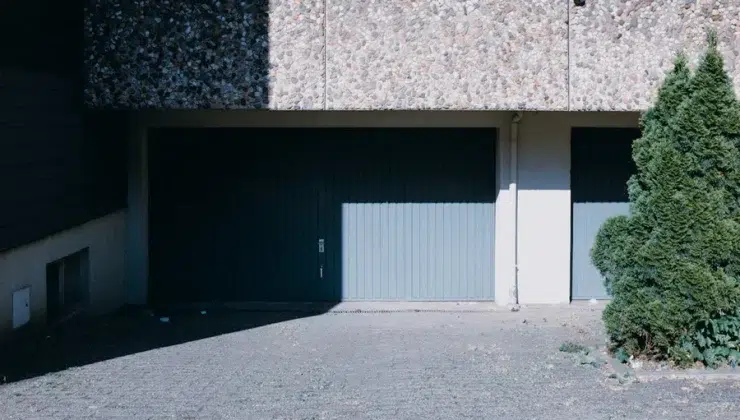
A garage door is often the largest moving part in a home, and most people rely on it several times a day without giving much thought to its condition. It protects your belongings, adds to curb appeal, and plays a key role in home security. Because it operates under tension and weight, even small issues can quickly become serious if ignored.
Regular inspections help homeowners stay ahead of problems before they turn into costly or unsafe situations. Instead of waiting for a complete breakdown, paying attention to how your garage door looks and sounds can make a big difference. A proactive approach keeps your system reliable, extends its lifespan, and ensures your home remains both safe and functional.
Early Warning Signs You Shouldn’t Ignore
Garage doors rarely fail without warning. You might notice subtle changes, such as slower movement, uneven lifting, or occasional hesitation when opening or closing. These early signs often point to underlying mechanical wear or minor alignment issues that need attention before they worsen.
While basic maintenance, such as lubrication, can be handled at home, more serious concerns require professional garage door repair to prevent safety risks. Components like springs and cables operate under high tension and should never be handled without proper training. Addressing these warning signs early helps avoid sudden malfunctions and keeps your system running smoothly.
Strange Noises During Operation
Unusual sounds are often one of the first indicators that something is off. If your garage door starts producing grinding, squeaking, or rattling noises, it may be due to worn rollers, loose hardware, or dry moving parts. These issues might seem minor at first, but can quickly escalate if left unresolved.
A louder banging or clanking noise could suggest a more serious problem with the springs or track alignment. These components are essential for safe operation, and damage can lead to abrupt failure. Listening carefully during operation and responding to changes in sound can help you catch problems early.
Slow Response Time or Inconsistent Performance
A garage door should respond promptly when you press the opener. If there is a delay or hesitation, it may indicate issues with the motor, wiring, or internal components. Over time, these small delays can lead to complete operational failure if left unaddressed.
Inconsistent performance, such as stopping midway or reversing unexpectedly, can also point to sensor or control problems. These issues not only disrupt daily convenience but can also affect home security. A door that does not close properly leaves your home vulnerable, making timely inspection especially important.
Visible Wear on Cables, Springs, and Hardware
Take a close look at the physical components of your garage door system. Frayed cables, rusted springs, or worn rollers are clear signs that parts are nearing the end of their lifespan. These elements handle significant weight and tension, so even minor damage should not be ignored.
Loose brackets or bolts can also affect how smoothly the door operates. Over time, vibration from daily use can cause hardware to shift. A quick visual inspection every few months helps you catch these issues early and prevents unexpected breakdowns.
Door Balance Issues and Sagging Sections
A properly balanced garage door should move evenly and stay in place when partially opened. If it drops quickly or feels heavy to lift, the balance may be off. This often points to spring issues, which can strain the opener and reduce its efficiency.
You may also notice sagging sections in the door panels, especially in older systems. This uneven structure puts extra pressure on tracks and rollers. Addressing balance problems early keeps the system aligned and prevents further wear on key components.
Safety Sensors and Auto-Reverse Function Checks
Modern garage doors rely on safety sensors to detect objects in their path. If these sensors are misaligned or dirty, the door may fail to close properly or reverse unexpectedly. Regular cleaning and alignment checks ensure they function as intended.
Testing the auto-reverse feature is equally important. Place an object in the door’s path and confirm that it reverses upon contact. This simple step helps protect people, pets, and property from injury or damage during operation.
DIY Maintenance vs. Professional Inspection Timelines
Routine maintenance tasks, such as lubricating moving parts and tightening hardware, can be done by most homeowners. Performing these checks every few months keeps the system running smoothly and reduces unnecessary strain on components.
However, certain parts require professional expertise. Annual inspections by a trained technician can identify hidden issues and safely handle high-tension components. Knowing when to call in help ensures both safety and long-term reliability.
Keeping Your Garage Door Safe and Reliable
Paying attention to warning signs like unusual noises, slow response times, visible wear, and balance issues helps you stay ahead of potential problems. Regular checks of safety features and hardware condition make a noticeable difference in daily performance.
A well-maintained garage door system supports home security, improves convenience, and reduces the risk of sudden failure. Staying consistent with inspections and knowing when to seek professional help gives you confidence that your system will operate safely for years to come.