Why U Factor Matters More Than You Think for Windows
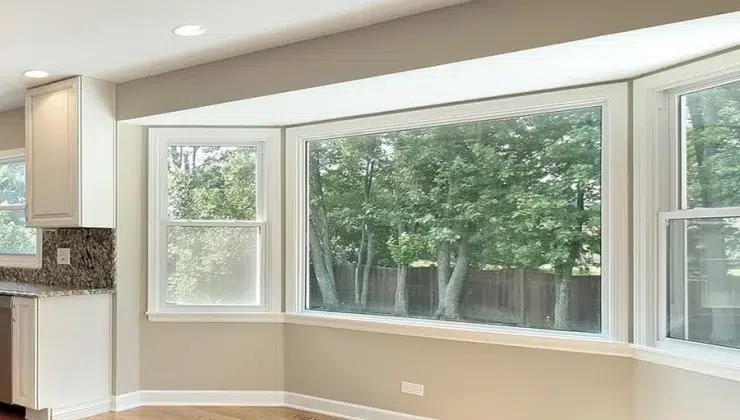
Windows are more than frames that hold glass and let sunlight pass. They influence how a house feels inside across different weather conditions. Good quality windows manage heat, light, and comfort in a balanced way. Beyond appearance, their efficiency shapes both energy use and indoor living standards. By understanding window performance, homeowners can make smart decisions for long-term comfort.
U Factor As a Measure Of Efficiency
The u factor on windows shows how much heat passes through them. A lower number means the window keeps more heat inside during cold months and blocks unwanted heat in hot seasons. This simple value makes it easier for buyers to judge efficiency without technical details. It focuses on the performance of the entire unit instead of just one part. With this number, homeowners gain a clear way to compare one option with another.
Lower U Delivers Stronger Insulation
A low rating creates an effective barrier between indoor and outdoor air. This helps rooms feel warm in winter and cool in summer without heavy reliance on systems. Energy bills stay more stable when the window stops heat from moving too quickly. Heating and cooling devices also work less, which can extend their use over time. Insulation that works well makes a difference for daily comfort.
Whole Window Rating Is Crucial
The center of the glass alone does not define efficiency. Frames, seals, and spacers also play a key role in the final result. When these parts perform poorly, the entire unit loses value in terms of energy control. Looking at the whole rating prevents false assumptions about what a window can deliver. This full picture ensures the choice aligns with real performance in the home.
Advantages In Colder Regions
In regions with long winters, windows with low values hold warmth indoors. The reduction of drafts keeps living areas more consistent in temperature. Heating systems need less effort to keep the space comfortable, which saves money. Residents notice fewer cold spots and steadier warmth in every room. Over the years, this kind of performance supports both comfort and cost savings.
Value In Warmer Regions
Efficient windows add benefits in places with hot climates as well. By keeping heat outside, they protect cool indoor air. Air conditioners do not need to run constantly, which lowers energy use. Families experience a more comfortable setting even during high heat days. Over time, such windows show value by cutting costs and improving indoor comfort.
How a Reputable Energy-Efficient Window Provider Can Help
Choosing the right provider makes a big difference in window performance and long-term value. A reliable expert ensures that every step from selection to installation supports efficiency.
- Expert Guidance: Providers explain efficiency ratings and help homeowners choose the most suitable options.
- Quality Products: Reputable sources supply certified windows that meet industry standards for performance.
- Skilled Installation: Professional teams install windows correctly to prevent leaks and energy loss.
- Long-Term Support: Many providers offer advice and services that extend the lifespan of windows.
- Peace of Mind: Homeowners gain confidence knowing their investment delivers both comfort and savings.
Windows with strong ratings shape comfort and energy performance in practical ways. The second mention of the u factor on windows shows why this measure deserves attention. Low values help regulate temperature inside while lowering stress on heating and cooling devices. Features such as coatings, spacers, and gas fills combine to provide efficiency. Choosing high-performing windows creates lasting value for households across different climates.