The Benefits of Dog Acupuncture for Arthritis Relief
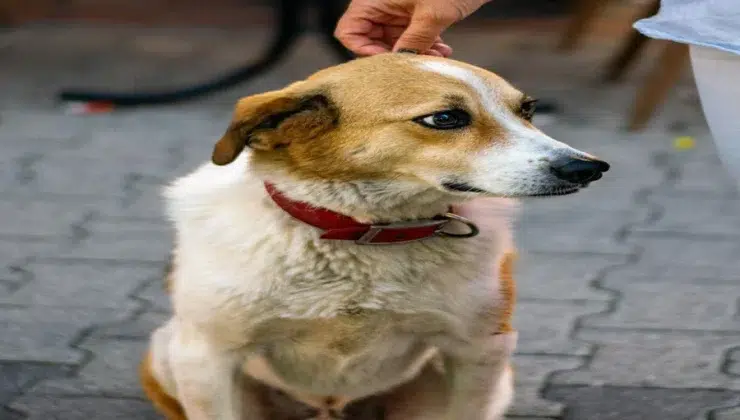
Acupuncture is emerging as a credible adjunct for dogs with osteoarthritis. Studies suggest it modulates pain signaling, dampens inflammation, and reduces muscle tension, which may improve mobility and comfort. Many patients require fewer analgesics, lowering risks from long‑term drug use. Sessions are tailored after a veterinary assessment and are generally well tolerated. While not a cure, it can shift daily function meaningfully. Key questions remain about protocols, ideal candidates, and measurable outcomes.
What Is Canine Acupuncture and How It Works
Although rooted in traditional Chinese medicine, canine acupuncture is increasingly examined through a modern clinical lens as a complementary therapy for arthritis. It involves inserting very fine, sterile needles into defined points on a dog’s body to influence neurologic and local tissue responses. Historically, Traditional Chinese medicine framed these points within meridian theory; modern descriptions emphasize peripheral nerve stimulation, circulatory modulation, and engagement of endogenous regulatory systems without asserting thorough claims.
In clinical settings, veterinarians trained in acupuncture select points based on orthopedic examination, gait assessment, and comorbidities. Techniques may include dry needling, electroacupuncture, or acupressure, with session length and frequency tailored to the patient’s tolerance and medical status. Safety is prioritized through patient screening, sterile technique, and avoidance of contraindicated regions. For example, services such as pet acupuncture in Reno emphasize standardized point maps, dosing parameters, and careful outcome tracking. Owners are counseled on realistic goals, potential mild side effects, and integration with extensive veterinary care.
How Acupuncture Eases Arthritis Pain and Inflammation
Building on how veterinarians select points and techniques, the mechanism by which acupuncture may ease canine arthritis involves modulating nociception and inflammatory cascades through peripheral and central pathways. Needle stimulation activates A-delta and C fibers, prompting spinal segmental inhibition and descending analgesia via serotonin, norepinephrine, and endogenous opioids. Functional studies suggest regional blood flow increases, improving joint perfusion and metabolite clearance.
At inflamed joints, acupuncture appears to downregulate proinflammatory cytokines (e.g., IL‑1β, TNF‑α) while promoting anti‑inflammatory mediators, aligning with goals of reducing inflammation naturally. Local mast cell degranulation and adenosine release may contribute to analgesia. Electoacupuncture can further modulate vagal anti‑inflammatory reflexes, attenuating systemic inflammatory tone.
These mechanisms intersect with Traditional Chinese medicine approaches, which conceptualize pain as stagnation; point selection often targets channels traversing affected joints. Clinically, protocols are individualized, integrating safety monitoring and concurrent veterinary care. Evidence remains heterogeneous; however, controlled trials and mechanistic data collectively support a plausible, multimodal anti‑nociceptive and anti‑inflammatory effect.
Benefits for Mobility, Stiffness, and Quality of Life
When integrated into a thorough arthritis plan, acupuncture is associated with measurable gains in mobility, reduced stiffness, and improved day‑to‑day comfort for dogs. Clinical reports and small randomized trials suggest that neuromodulation from needling can enhance joint range of motion, normalize gait, and lessen guarding behaviors. Caregivers often observe easier shifts from lying to standing and longer, more confident walks, indicating meaningful pain reduction.
Improved synovial perfusion and decreased paraspinal muscle tension are proposed mechanisms supporting better stride length and flexibility. In multimodal care, acupuncture may lower reliance on analgesics, which can reduce adverse effects while maintaining function. Objective tools—gait analysis, activity monitors, and orthopedic scoring—frequently show incremental gains after a structured series of treatments.
Beyond biomechanics, veterinarians note behavioral indicators of improved quality of life: better sleep, increased engagement in play, and willingness to climb stairs or enter vehicles. These outcomes, while individualized, align with evidence that targeted needling complements rehabilitation and medical management.
What a Typical Veterinary Acupuncture Session Looks Like
A typical session begins with a brief pre-session assessment, including history, gait observation, and palpation to identify painful or trigger points. Based on these findings, the veterinarian selects acupuncture points and inserts sterile, single-use needles with minimal restraint, monitoring for relaxation or mild twitching as normal responses. Needle placement is adjusted to the dog’s tolerance and clinical goals, with durations commonly ranging from 10 to 30 minutes.
Pre-Session Assessment
Before any needles are placed, a thorough pre-session assessment establishes safety and targets for treatment. The veterinarian begins with a Symptom severity assessment, quantifying pain, stiffness, lameness, and activity tolerance using validated scales and gait observation. Joint palpation, range-of-motion testing, and neurologic screening identify tender points and contraindications. A detailed Treatment history review follows, noting prior analgesics, supplements, physical therapy, surgery, and responses or adverse effects. Current medications and comorbidities—such as coagulopathies, infection, or skin disease—are evaluated to mitigate risk.
Baseline metrics are recorded: weight, essential signs, posture, and functional goals meaningful to the guardian (e.g., stairs, leash walks). Recent imaging and laboratory data, if available, inform case complexity. The clinician then sets measurable objectives and schedules outcome tracking to monitor benefit.
Needle Placement Process
With assessment findings in hand, the clinician initiates needle placement in a calm, low-stress environment, positioning the dog comfortably in sternal or lateral recumbency. Distraction techniques and gentle handling reduce sympathetic arousal. After skin antisepsis, sterile, single-use filiform needles are inserted perpendicularly or obliquely according to anatomical landmarks, myofascial trigger points, and validated acupuncture points linked to hindlimb osteoarthritis pain pathways. Needle positioning prioritizes safety: avoiding neurovascular bundles, monitoring depth, and adjusting for body condition.
Initial deqi-like responses—subtle muscle twitches or relaxation—guide minor corrections. Needles typically dwell 10–20 minutes, with intermittent reassessment of comfort, respiration, and posture. If electroacupuncture is indicated, low-frequency stimulation is titrated gradually. The needle removal process is deliberate: each needle is counted, withdrawn along the insertion axis, sites are rechecked for bleeding, and post-session mobility is documented.
Safety, Side Effects, and Which Dogs Are Good Candidates
Most dogs tolerate acupuncture well, and serious complications are uncommon when treatment is performed by a licensed veterinarian trained in veterinary acupuncture. Mild, transient effects—sleepiness, temporary soreness, or a brief flare in stiffness—may occur within 24–48 hours. Rare risks include needle-site infection, fainting, or worsening pain; sterile technique and careful point selection mitigate these events. Post treatment recommendations typically include rest, monitoring for changes in gait, and adjusting activity based on response. Dietary supplements may be reviewed to guarantee compatibility and reduce overlapping adverse effects.
Good candidates include dogs with osteoarthritis exhibiting pain, reduced mobility, or intolerance to higher medication doses. Seniors, patients with liver or kidney compromise, and those with gastrointestinal sensitivity are often considered because acupuncture has a favorable safety profile. Caution is advised in dogs with bleeding disorders, uncontrolled seizures, severe anxiety, or active skin infection at needle sites. Pregnant bitches and dogs with malignant masses near points require individualized risk–benefit assessment and veterinary oversight.
Combining Acupuncture With Medications and Rehab Therapies
Given the favorable safety profile and candidate selection outlined above, acupuncture is often integrated into multimodal osteoarthritis care alongside NSAIDs, gabapentin, amantadine, omega-3 supplementation, weight management, and structured rehabilitation. Coordinating timing with medications can smooth pain control and reduce breakthrough discomfort, while monitoring for sedation or gastrointestinal effects safeguards safety. Sessions typically align with rehabilitation plans to facilitate gait retraining and muscle activation.
- Collaborating with physical therapist optimizes needle placement with targeted exercises, enhancing range of motion and functional strength.
- Integrating supplements, such as omega-3s and joint nutraceuticals, may complement neuromodulatory effects; dosing should reflect body weight and comorbidities.
- Owners track mobility scores, sleep quality, and activity to guide interval adjustments.
Veterinarians may taper analgesics only after sustained improvement, using objective measures like force-plate data or validated pain scales. Clear communication among the primary vet, rehab team, and acupuncturist maintains consistent goals, minimizes polypharmacy, and supports humane, individualized care while maintaining realistic expectations for chronic disease management.
Evidence and Research on Acupuncture for Canine Arthritis
Although enthusiasm for acupuncture has grown in small-animal practice, the evidence base for canine osteoarthritis remains mixed but cautiously supportive. Controlled studies are heterogeneous in methodology, point selection, and outcome measures, yet several randomized trials show modest improvements in pain scores, lameness, and weight-bearing compared with sham or standard care alone. Objective metrics—force plate analysis and activity monitors—report small-to-moderate effect sizes, particularly in multimodal programs.
Systematic reviews conclude that risk of bias and small sample sizes limit certainty, but pooled signals favor acupuncture as an adjunct, not a replacement for conventional therapy. Mechanistic research suggests neuromodulation of nociceptive pathways, endogenous opioid release, and local anti-inflammatory effects, aligning with observed clinical changes. Subjective patient reports from caregivers frequently note improved comfort and mobility; while vulnerable to placebo and expectation bias, these observations complement quantitative outcomes. Overall, the literature supports a trial of acupuncture within evidence-based osteoarthritis management, with careful monitoring and standardized assessment tools.
How Many Sessions Dogs Need and When to Expect Results
Most dogs begin with a series of 4–8 weekly acupuncture sessions, followed by tapering to maintenance visits as needed. Clinically, modest improvements in comfort and mobility are often observed after 2–4 sessions, with more durable changes emerging by weeks 4–8. Duration and response vary with arthritis severity, chronicity, concurrent therapies, body condition, and individual sensitivity to needling.
Typical Session Counts
For canine arthritis, many treatment plans start with 1–2 acupuncture sessions per week for 3–6 weeks, followed by tapering to maintenance visits every 3–6 weeks as symptoms stabilize. This typical session frequency reflects clinical protocols that balance cumulative analgesic effects with practicality. Most dogs receive an initial series of 4–10 visits before spacing out. The typical session duration ranges from 20–40 minutes, allowing needle placement, gentle stimulation, and observation for comfort and response.
- Mild osteoarthritis: 3–6 sessions, then maintenance as needed.
- Moderate disease or multi-joint involvement: 6–10 sessions before tapering.
- Severe, chronic cases or concurrent conditions: ongoing maintenance at closer intervals.
Plan adjustments consider age, pain scores, mobility goals, medication tolerance, and comorbidities. Veterinarians reassess response regularly and refine counts to sustain function with minimal burden.
Timeline for Improvements
Building on session frequency, pet owners often ask when relief becomes noticeable and how many visits it typically takes. Clinically, mild responsiveness may appear after 1–3 sessions, often observed as easier rising, smoother gait, or reduced post-exertional stiffness. A more reliable benchmark is a gradual symptom reduction across 4–6 sessions, delivered once or twice weekly. Many practices reassess at session four to confirm a consistent improvement timeline and refine point selection or adjunct modalities if needed.
Factors Affecting Duration
How quickly a dog responds to acupuncture—and how many sessions are required—depends on disease chronicity, arthritis severity and distribution, age, overall fitness, and concurrent conditions. Acute flares often show improvement within 1–3 sessions; long-standing, multi-joint osteoarthritis typically needs 6–10 sessions before a stable response. Initial treatments are commonly scheduled weekly, then tapered to biweekly or monthly maintenance as mobility and comfort stabilize. Analgesic reductions should be gradual and data-driven.
- Chronic, multi-limb disease extends treatment duration; localized or milder cases resolve faster.
- Frailty, obesity, or endocrine disease can blunt gains and lengthen the expected recovery time.
- Combining acupuncture with weight management, NSAIDs, and physiotherapy accelerates progress.
Clinicians should quantify change using gait assessments, pain scales, and activity tracking to individualize plans.
Finding a Certified Veterinary Acupuncturist and Costs
A careful search for a qualified provider starts with verifying formal training and certification in veterinary acupuncture. Owners can confirm credentials through organizations such as the International Veterinary Acupuncture Society (IVAS) or the American Academy of Veterinary Acupuncture (AAVA). Verification guarantees the practitioner is a licensed veterinarian with recognized acupuncture coursework and supervised clinical hours.
When comparing veterinary clinic options, evidence-based practice includes transparent treatment plans, documented outcomes, and integration with conventional arthritis management. Clinics should assess pain scores, mobility metrics, and medication use, then adjust protocols accordingly. Discussion of realistic goals and safety monitoring reflects compassionate care.
Costs vary by region, provider experience, and session length. Initial consultations often cost more due to thorough evaluation. Ongoing sessions may be packaged at affordable rates; some clinics offer multi-visit discounts or wellness plans. Pet insurance may reimburse if acupuncture is prescribed for a covered condition. Request written estimates, itemized fees, and reevaluation timelines before committing.
Frequently Asked Questions
Can Acupuncture Help Dogs With Arthritis-Related Anxiety or Behavior Changes?
Yes. Evidence suggests acupuncture may indirectly ease arthritis-related anxiety by promoting pain reduction, improved mobility, and mood enhancement. Clinical reports note decreased restlessness and better sleep. A veterinarian should tailor integrative care, monitor outcomes, and adjust complementary behavior strategies.
Are There Breed-Specific Considerations for Acupuncture Effectiveness in Arthritis?
Yes. Evidence suggests effectiveness varies by breed due to size variations, bone density differences, joint conformation, and pain thresholds. Larger breeds may need deeper needle placement; toy breeds require gentler dosing. Individual response, comorbidities, and practitioner expertise ultimately guide outcomes.
How Should I Prepare My Dog at Home Before an Acupuncture Session?
They should provide a light meal, brief walk, and medication list; guarantee Choosing calming environment with low noise; allow familiar bedding; schedule ample time; avoid strenuous activity; begin gently introducing acupuncture process through touch desensitization; monitor stress signals; confirm post-session transport.
Can Acupuncture Reduce Reliance on Joint Supplements Over Time?
Yes, outcomes vary. Evidence suggests acupuncture may support improved joint mobility and, in some dogs, reduced medication dosage or supplement reliance. Effects depend on diagnosis, severity, and response. Ongoing veterinary assessment guides individualized adjustments and monitors measurable functional improvement.
What Signs Indicate Acupuncture Isn’T Helping and We Should Stop?
They should stop when sessions show Lack of improved mobility, continued pain, no reduction in analgesic use, worsening lameness, increased anxiety during treatment, adverse reactions (bruising, lethargy), or plateau after 4–6 treatments. Reassessing diagnosis and multimodal care is warranted.