Avoid Pitfalls When Installing a 5kW Solar Generator
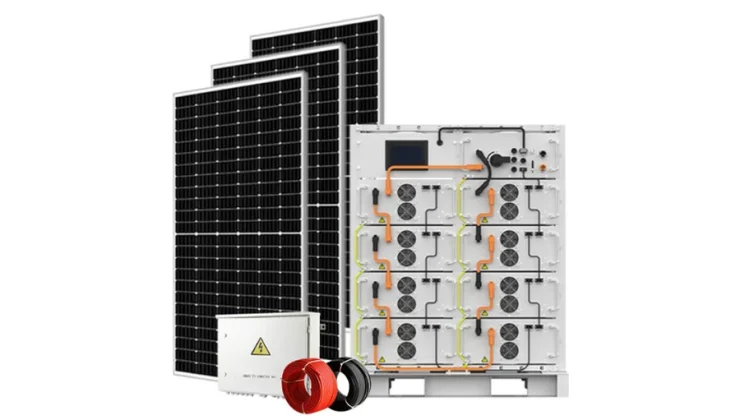
As businesses grapple with rising energy costs and increasing pressure for sustainability, many are turning to renewable energy solutions. Solar power, in particular, has emerged as a leading choice for organizations seeking to reduce operational expenses and environmental impact. The 5kW solar generator system represents an ideal entry point for small and medium-sized businesses looking to harness solar energy. However, improper installation can lead to significant inefficiencies, safety hazards, and financial losses. This guide addresses the critical pitfalls business owners must avoid when implementing a 5kW solar generator system. We’ll explore essential considerations from site assessment and component selection to regulatory compliance and system scalability. By understanding these challenges upfront, businesses can ensure a smooth transition to solar power while maximizing their return on investment and establishing a foundation for sustainable energy independence.
Understanding 5kW Solar Generators for Business Energy Solutions
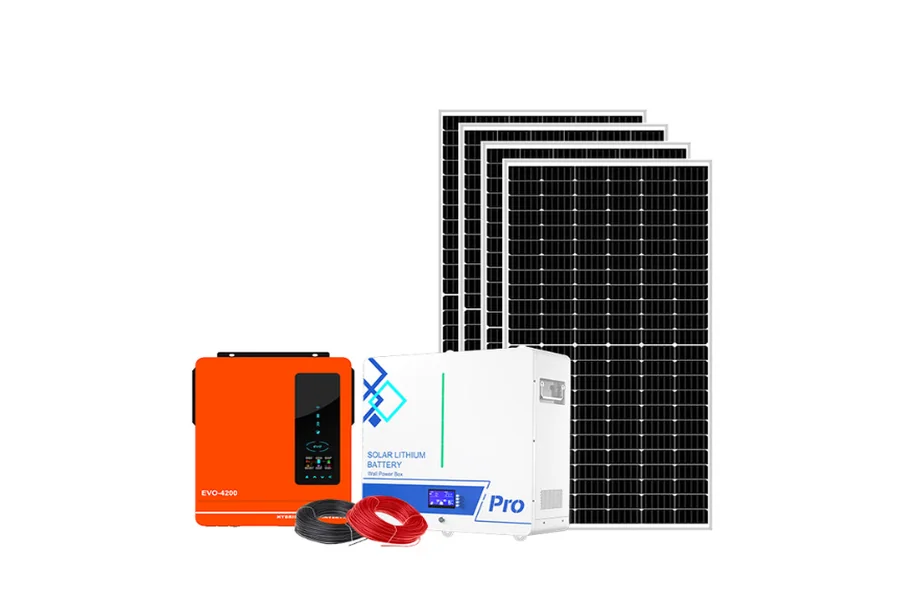
A 5kW solar generator system represents a comprehensive power solution designed specifically for commercial applications. At its core, the system consists of photovoltaic panels, an inverter to convert DC to AC power, a charge controller to regulate power flow, and battery storage for energy retention. This configuration typically generates between 20-25 kWh of electricity daily under optimal conditions, sufficient to power essential business operations including lighting, computers, and small equipment. Unlike residential systems, commercial installations require careful consideration of peak business hours, operational demands, and seasonal variations in energy consumption. Load assessment becomes crucial – businesses must analyze their power requirements across different times of day and seasons to ensure the system meets their needs. When evaluating scalability, consider factors such as available roof or ground space, electrical panel capacity, and future business expansion plans. The system should be designed with modular components that allow for seamless integration of additional panels or battery storage as your energy needs grow. Understanding these fundamental aspects helps ensure your solar investment aligns with both current operational requirements and future business growth.
Top 5 Installation Pitfalls in Solar Power System Setup
Site Evaluation Mistakes to Avoid
A thorough site evaluation requires expert analysis of shade patterns throughout the year. Common oversights include failing to account for future tree growth, neighboring building developments, and seasonal sun path variations. Structural engineers should assess roof load-bearing capacity, considering both current conditions and age-related degradation. Panel orientation and tilt angles must be optimized for your specific geographic location to maximize energy yield.
Regulatory Compliance Challenges
Navigating local building codes and utility requirements presents significant challenges. Businesses often overlook zoning restrictions, setback requirements, and fire safety codes specific to commercial solar installations. Utility interconnection agreements require careful attention to technical specifications and documentation. Missing deadlines for renewable energy incentive programs or submitting incomplete paperwork can result in lost financial opportunities. Many jurisdictions require professional certification for commercial installations, making DIY approaches legally problematic. Ensuring compliance with grid connection standards, including proper disconnection mechanisms and power quality requirements, is essential for system approval. Working with experienced professionals who understand local regulations can prevent costly delays and modifications. Additionally, proper documentation of permits, inspections, and certifications must be maintained for insurance and warranty purposes.
Strategic Battery Capacity Expansion Planning
Scaling Your Storage: When and How
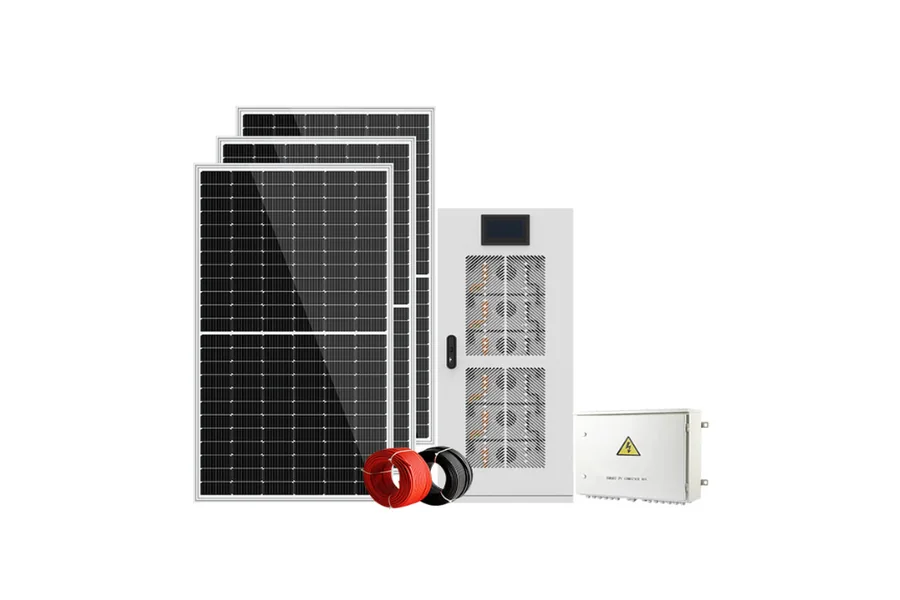
Effective battery capacity planning requires a comprehensive understanding of your business’s current and future energy needs. Begin by establishing baseline power consumption through detailed energy audits across different operational periods. Consider seasonal variations, peak demand hours, and potential business expansion plans. A well-designed system should accommodate at least 20% additional capacity beyond current needs to support growth. When evaluating storage solutions, focus on modular systems that allow incremental expansion without requiring complete system overhauls. Leading manufacturers like Anern offer scalable battery solutions that maintain consistent performance across multiple expansion phases. Implement smart monitoring systems to track usage patterns and identify optimal expansion timing. Consider technologies with proven compatibility records and established upgrade paths. Factor in degradation rates and replacement schedules when calculating long-term storage requirements.
Why Professional Solar Integration Matters
Vetting Installers for Commercial Projects
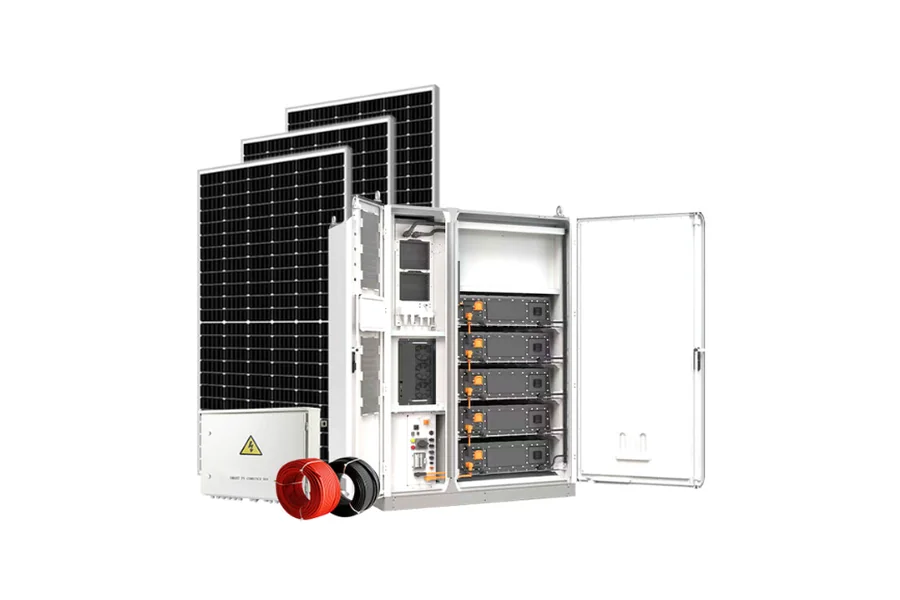
Professional solar integration directly impacts system performance, longevity, and financial returns. Expert installers optimize panel placement and wiring configurations to maximize energy yield, potentially increasing efficiency by 15-30% compared to standard installations. They implement comprehensive safety protocols, including proper grounding systems, arc fault protection, and emergency shutdown mechanisms. Professional integrators develop detailed maintenance schedules covering panel cleaning, connection inspections, and performance monitoring. When selecting vendors, businesses should verify NABCEP certification, examine commercial project portfolios, and request detailed installation methodologies. Experienced installers provide manufacturer-approved mounting solutions, ensuring warranty validity and structural integrity. They also establish monitoring systems for real-time performance tracking and predictive maintenance. Professional integration includes thorough documentation of system specifications, warranties, and maintenance procedures, creating a valuable resource for future service needs.
Profitability Analysis of Solar Power Systems
Understanding the financial implications of a 5kW solar generator system requires a comprehensive analysis framework. Initial investment costs typically recover through multiple revenue streams, including direct energy savings, government incentives, and increased property value. To calculate ROI accurately, businesses should track monthly energy consumption patterns and compare them against local utility rates. A well-designed system can offset 70-90% of commercial electricity costs, with typical payback periods ranging from 4-7 years depending on local energy prices and available incentives. Federal tax credits currently cover 30% of system costs, while state and local programs may provide additional benefits. Performance data from similar commercial installations shows annual energy savings between $1,200-2,500 for properly sized 5kW systems. Beyond direct cost savings, businesses benefit from protection against rising utility rates, which historically increase 2-3% annually. Carbon credit programs in some regions offer additional revenue opportunities. Case studies demonstrate that businesses implementing solar solutions often experience enhanced customer loyalty and competitive advantages in sustainability-conscious markets. Regular system monitoring and optimization can further improve financial returns by maintaining peak performance efficiency throughout the system’s lifespan.
Maximizing Your Solar Investment: Key Takeaways
Successfully implementing a 5kW solar generator system requires careful attention to detail and professional expertise. By avoiding common installation pitfalls, businesses can maximize their renewable energy investment and ensure long-term system reliability. Professional installation not only guarantees optimal system performance but also provides crucial warranty protection and ongoing maintenance support. The financial benefits of properly installed solar systems extend beyond immediate energy cost reductions to include tax incentives, increased property value, and protection against rising utility rates. As businesses face mounting pressure to adopt sustainable practices, a well-executed solar installation demonstrates environmental leadership while delivering tangible economic advantages. To ensure success, consult with certified solar professionals who understand commercial installations’ unique requirements and can navigate complex regulatory landscapes. The transition to solar power represents a strategic investment in your business’s future, offering both immediate cost savings and long-term energy independence. Take the first step toward sustainable energy by scheduling a comprehensive site assessment with a qualified solar integration expert.