Why Organic Marketing is Still Important in 2025
The digital world in 2025 is packed with paid ads and regularly changing algorithms, leading many marketers to wonder if organic marketing is still worth it. The answer is a clear yes.
Organic marketing continues to play a key role in helping businesses grow steadily, offering lasting advantages that paid tactics can’t fully match. It’s all about forming real relationships, earning trust, and creating a group of loyal followers around your brand. Instead of just buying quick attention, organic marketing helps your brand connect genuinely with people and stay relevant.
When you invest in and understand organic marketing, you give your brand a stronger, more natural online presence that people value. If you want expert help with organic strategies that stand up over time, a company like Blue Starling Media can guide you on a path to lasting digital results.
How is Organic Marketing Different from Paid Marketing?
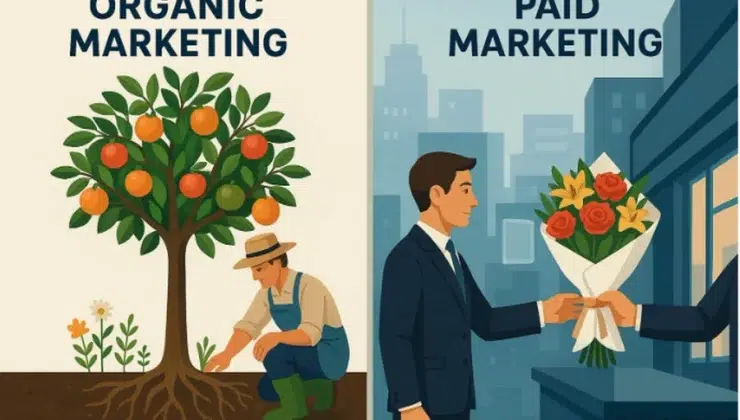
The main difference between organic and paid marketing is how they reach and interact with people. Organic marketing brings in your audience through natural, unpaid methods. Think of it as gardening: you prepare the ground by making good content, plant seeds by sharing it on your website or social media, and help it grow by engaging with followers.
The rewards may take longer but are stronger and more permanent. Examples include search engine optimization (SEO), content marketing (blogs, videos, podcasts), interacting on social media, email newsletters, and public relations. The idea is to boost brand awareness and create a real bond by sharing useful and interesting information that users are actually looking for.
Paid marketing is more like buying a bouquet: you pay to be seen right away. This means paying directly for ads on platforms to show your message to certain groups of people. This covers search ads, social media ads, display ads, and shoppable ads.
Paid marketing is fast and accurate; you can target a specific crowd and get quick results like more traffic or sales. However, when the budget ends, so does your visibility. To sum up, organic marketing builds long-term trust and authenticity, while paid marketing gives fast, wide-reaching results-but often only as long as you keep paying for them.
Is Organic Marketing Still Working in Today’s Online Space?
Even with reports that organic reach is declining due to social platforms favoring paid posts, organic marketing is still far from ineffective in 2025. What’s changed is that it takes more planning, patience, and effort.
With so many businesses competing online, even top-quality organic posts can get lost. Social media sites design their algorithms to make money, often giving better spots to those who pay for ads. Still, it’s a mistake to ignore organic marketing altogether.
Organic marketing stands out for its power to show your brand is real, earn deep trust, and keep people coming back-something money can’t easily buy. Paid ads help with quick goals and getting your name out fast, but organic content is what makes people want to stick with you. It lets customers find you when they’re searching for solutions, not just when you pay to appear.
Companies sticking with organic strategies and adjusting as the digital world changes are seeing growth in brand loyalty and strong communities. The trick is to realize that organic marketing still works, but takes more smart planning and patience than before.
Main Benefits of Organic Marketing in 2025
With people now more aware of ads, organic marketing grabs attention by being real. It’s crucial for keeping your brand trustworthy, healthy, and building lasting customer relationships in 2025.
Builds Real Trust and Honesty
In a crowded market, trust and honesty are everything. Organic marketing helps you earn them. By sharing helpful or entertaining content with no hard sales pitch, you become a brand people turn to for answers.
Most folks trust advice from friends or things they find through regular searches-much more than sponsored ads. This kind of trust is hard to shake and keeps customers with you even if competitors come knocking. Studies show authenticity rates among the most valued traits for U.S. buyers, making it a critical part of any brand’s image.
Also, organic marketing opens the door for honest, two-way conversations. When brands reply to comments or highlight user-generated content, community and loyalty get even stronger. Being honest about things like using AI in your content, for example, further builds credibility and loyalty, often turning customers into your best promoters.
Leads to Ongoing and Cheaper Traffic
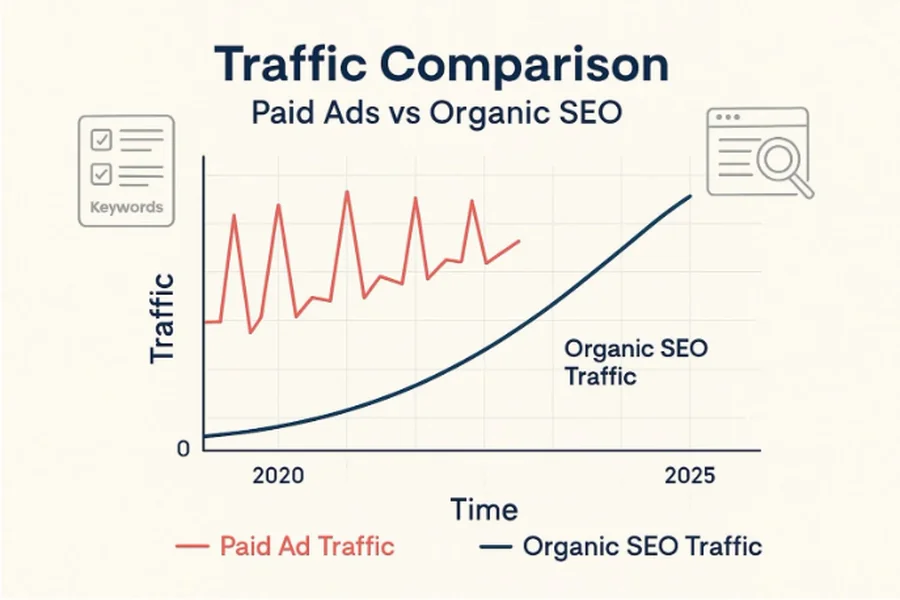
One of the biggest upsides of organic marketing is that it brings in steady, affordable traffic. Paid ads stop working when you stop paying, but a solid blog post or strong SEO can keep people coming to your site for months or years. This means your upfront costs bring results long after you make the content, making it a smart investment.
While building up organic marketing takes resources, your cost for each new customer drops a lot over time. As your posts and pages climb search results and spread on social media, more people visit and buy, even without more ad money. For many businesses, SEO is a more cost-effective way to get traffic than paid ads alone.
Keeps People Engaged for the Long Haul
Organic marketing is all about getting people to keep interacting and to care about your brand over time. When you keep sharing things they value, your followers stick around. It’s about more than just getting clicks-email newsletters, for example, make subscribers feel special, and social groups give fans a space to connect. This feeling of being part of a community builds loyalty.
For lots of brands, engagement-not just reach-is the key measure of social media success, and more than half of marketing leaders focus on this in 2025. Organic marketing encourages conversations and repeat visits, making people more likely to tell others about you and help your business grow without extra advertising costs.
Boosts SEO and Search Results
Organic marketing naturally works hand-in-hand with SEO. Creating in-depth, keyword-rich content and getting good links from other sites help improve your spot in search engines. With Google and other engines focusing more on helpful, trustworthy information, brands need to produce original, genuinely useful content to show up in search.
With AI-driven search and chatbots now common, optimizing for conversational questions is more important. Long-form content and FAQ sections can win featured spots on Google and other search tools. Your website gives you full control and acts as your home base for attracting new leads through organic traffic.
Makes Customer Relationships Stronger
Organic marketing is at its best when it cares about the person, not just the sale. By responding openly on social media, sharing custom influencer gift boxes content in emails, or encouraging customers to leave feedback, brands show customers they matter. This increases loyalty and makes people want to stay with your brand, not your competitors.
Using CRM tools to keep track of these organic touches reveals what keeps people interested, leading to happier customers and fresh ways to grow. Strong community and honest conversations make relationships last, helping you keep customers for longer.
Stands Up to Changing Ad Prices and Algorithms
Another big reason to focus on organic marketing is that it helps shield your brand from unpredictable ad prices and platform changes. Ad costs can jump due to competition or market shifts. Also, updates to social or search algorithms can make paid and organic reach change without warning.
While organic reach can drop with algorithm changes, the foundation-good content and loyal fans-remains. Visitors coming directly to your website or through bookmarks prove you’ve made a true impact, not just bought one. Mixing organic strategies with paid ads protects your business from sudden changes in the digital world and keeps customers coming in through different channels.
Organic vs Paid Marketing: A 2025 Comparison
In 2025, the real question isn’t “Which is better?” but “How can both help me?” Smart marketers often mix organic and paid tactics to get the best of both worlds.
| Aspect | Organic Marketing | Paid Marketing |
| How Long it Lasts | Continues working for months or years after you post | Stops when budget ends |
| Cost Over Time | Initial investment, then keeps working with little added cost | Constant spending required for visibility |
| Speed | Slow to start, but builds up | Gets quick results |
| Trust & Loyalty | Creates long-term relationships | Can seem less genuine |
| Best Use | Building brand trust and loyalty | Getting quick traffic, testing offers |
Return on Investment (ROI) Over Time
Organic content acts like an asset that keeps drawing people in, even years later. For example, a top-ranked blog or a strong social group can always bring in new leads. Paid campaigns, on the other hand, last only as long as you pay. You get fast results, but constant spending is needed to stay visible. It’s smart to think of organic as building your brand’s future, and paid ads as a way to boost current growth.
Budget Planning and Resources
While organic marketing does need money and time to create great content and manage your community, it usually costs less than ongoing paid ads after the first push. Strong website content and a loyal following pay off for years. Paid campaigns cost more over time, with rising ad prices and higher competition.
Having a mix of both, with organic as your base, keeps your business strong even if paid ad costs go up unexpectedly.
Tracking the Results
It’s sometimes harder to directly measure the results of organic marketing, since a customer might see you in many places before buying. Paid ads are easier to track-showing quick stats on clicks and sales.
But with organic, you can watch traffic sources, social media engagement, followers, and email opens to see what’s working. Focusing on these “real” numbers helps you understand your brand’s true growth beyond just what paid ads provide.
Risks in Using Only Paid Ads
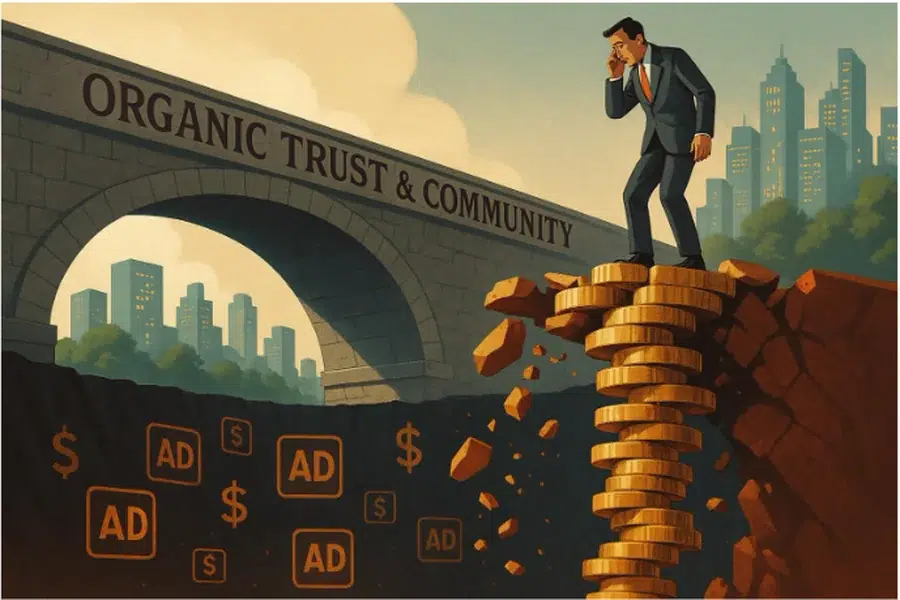
Paid ads can help you grow quickly but are risky as your only plan. If prices climb or platform rules change, your results can disappear overnight. Customers are also smarter now and can tune out constant ads, making it harder to build brand loyalty. If you don’t have an organic base, you lose long-term relationships and are stuck always needing more paid campaigns.
Misunderstandings About Organic Marketing in 2025
Even with its clear benefits, organic marketing is often misunderstood. Here are some common myths and the truth in 2025:
Is Organic Reach Dead on Social?
Some say organic reach no longer works, especially as platforms like Facebook and Instagram favor paid content. While it’s true getting organic attention is harder, saying it’s “dead” is wrong.
Platforms like TikTok, LinkedIn, and others still give brands chances to grow for free-especially if the content is real and community-focused. The key is creating valuable and interactive posts, not just trying to go viral with every update.
Does Organic Take Too Long to Show Results?
Yes, organic marketing needs patience-it can take months to see results from SEO or a new social group. But while paid ads give a quick boost, they stop working as soon as you stop paying. Organic builds up power over time and keeps paying off, making the wait worthwhile for businesses thinking long-term.
Can Small Businesses Compete With Big Brands?
Smaller companies sometimes feel like the underdog in organic marketing, but they can actually do well by focusing on smaller niches and being more personal. Brands that connect honestly and share unique, helpful content can build highly engaged communities. Working with micro-influencers and using customer stories can make a brand feel more real-giving small businesses a real chance even in bigger markets.
Organic Marketing Channels That Work in 2025
Some organic marketing tactics stay powerful over the years. Here are key channels still bringing strong results in 2025:
- Organic Social Media: Platforms like LinkedIn, Instagram, Facebook, TikTok, and Reddit let brands connect with followers, build a community, and share valuable content without paying for each view. Humor, storytelling, and honesty work better than hard sales tactics.
- SEO, Blogs, and Website Content: Your website is your main online asset. Well-written blogs and optimized landing pages improve search rankings and answer real questions. This makes you the go-to resource for potential customers and keeps drawing traffic in long after you publish.
- Email Newsletters: Email remains one of the most direct, reliable channels. Regular newsletters help you stay in touch with your audience, share exclusive news, and sell softly, building loyalty over time.
- User-Generated Content (UGC): Reviews, testimonials, and customer posts may be the most believable type of marketing. UGC builds trust and encourages others to try your products.
- Podcasts and Video: Short videos and podcasts reach people who prefer to watch or listen rather than read. YouTube remains key for discoverability, and creative, helpful videos or podcasts can grow your audience steadily.
- Partnerships and Digital PR: Guest blogging, getting mentioned by news outlets, and referrals from partners help you reach new groups. These connections boost SEO and grow your reputation.
Best Strategies for Organic Growth in 2025
To stand out, you need to mix timeless basics with smart new tactics. Here are actions to grow organically in today’s digital market:
- Create High-Quality Content: Only the best, most useful, and unique content will get noticed. Focus on answering real customer questions and sharing knowledge, not just posting to fill space.
- Engage in Online Communities: Whether on Discord or Facebook Groups, go beyond posting-reply to comments, ask questions, and make your audience feel like part of a group.
- Treat Employees and Influencers as Partners: Employees and small influencers tend to have stronger trusted networks than brands. Encouraging them to share your content greatly expands your reach.
- Use AI, But Keep It Human: AI writing tools can help quickly produce content, but a real person needs to review everything to keep the message authentic and unique to your business.
- Stay Up to Date With Search Changes: Search platforms keep changing. Adapt your SEO by answering questions directly, using conversational language, and upgrading technical details for new search features.
Success Stories: How Brands Thrive With Organic Marketing
Examples from real brands reinforce what organic marketing can do:
- Brand Storytelling: Glossier built a community by sharing real customer stories and values, leading to strong word-of-mouth and rapid growth-all starting from organic social media.
- Community Campaigns: The City of Miami Beach’s 2024 campaign, “Breaking Up with Spring Break,” reached billions by letting locals’ stories drive the message. This type of viral, community-driven effort can have huge impact.
- SEO-Driven Growth: Many brands see large, steady traffic growth from long-tail keywords, in-depth blog posts, and ongoing technical adjustments-driving leads and sales without constant ad spend.
How to Get the Most from Your Organic Marketing in 2025
Make the most of organic marketing with these steps:
- Know Your Audience: Learn where your ideal customers spend time online and what content they trust. Focus your effort on the platforms and types of content that matter most to them.
- Measure What Matters: Go beyond counting followers. Focus on website traffic sources, engagement rates, keyword rankings, email interaction, and mentions to see where your growth is real.
- Keep Improving Based on Data: Treat every blog, video, or post as a test. Track performance and adjust your approach based on what works best. Let hard numbers-not just instinct-guide your strategy.
By focusing on strong, honest content, building real communities, measuring what matters, and always being ready to adapt, your brand’s organic marketing will remain strong and effective well into 2025 and beyond.