No More Energy Tax Credits: How Homeowners Can Still Save
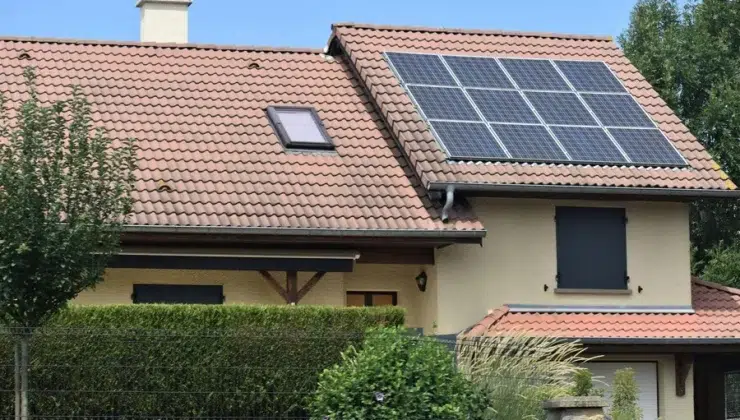
The Big Beautiful Bill, signed by Donald Trump in July, will take effect in less than three months — and it’s set to reshape the landscape of homeowner energy incentives across the United States. Among the most significant changes is the residential clean energy credit expiration, which could impact thousands of homeowners planning to make energy-efficient upgrades.
If you’ve been considering improving your home’s comfort and efficiency — with a new HVAC system, upgraded insulation, or solar installations — now is the time to do that. Once the renewable energy tax credits expire in 2026, the opportunity to claim your rightful thousands of dollars may disappear for good.
Let’s break down what these credits are, what’s changing, and how Fuse Service can help you make the most of this final window to save.
What Are Energy Tax Credits for Homeowners?
Energy tax credits as well as rebates were designed to make it more affordable for homeowners to invest in energy-efficient home improvements. They help soften the blow of the upfront costs of installing environmentally friendly systems that reduce energy consumption and greenhouse gas emissions.
Here’s the key difference:
- Tax credits directly reduce the amount of tax you owe to the federal government.
- Rebates work as a refund after you’ve already paid your taxes.
These financial incentives were created to encourage homeowners to upgrade older systems — such as outdated HVAC units, insulation and such to high-efficiency alternatives. Not only do these improvements help the environment, but they also deliver real, long-term savings on utility bills.
But, the rules around eligibility can be complex. Each credit has its own qualifications that depend on your house type, income level, and the kind of work being done. That’s why most homeowners partner with a certified home service contractor like Fuse Service, who can guide them through the process, handle installation, and make sure all required documentation is submitted correctly.
For detailed, official guidance, you can visit the IRS page on Energy Efficient Home Improvement Credits
Understanding the Upcoming Energy Tax Credit Expiration
According to Fuse Service, a leading home service provider based in San Jose, CA, two key programs that have supported homeowners for years are ending their tax credit eligibility starting in 2026:
- Home Energy Tax Credit – Offers homeowners up to 30% in savings on qualifying upgrades like insulation, windows, doors, and efficient HVAC systems.
- Residential Clean Energy Credit – Provides similar savings with specific caps:
- $2,000 for eligible heat pumps and heat pump water heaters
- $600 for electric panel upgrades when installed with heat pump systems
- $1,200 for insulation, windows, doors, and energy audits
Together, these programs have made energy-efficient home improvements far more accessible to families nationwide. They’ve improved home comfort and lowered monthly energy bills. Also they have contributed to environmental goals by reducing residential carbon footprints.
But once the residential clean energy credit expiration date comes, these benefits will no longer be available with the current terms. For homeowners still considering an upgrade, the message is simple: act now and act fast.

Why Energy-Efficient Home Improvements Still Matter
Even without incentives, investing in renewable energy technologies and efficient home systems remains a smart financial idea. But while the tax credits are still active, homeowners can double their return.
Here’s what makes these upgrades worth it:
- Lower utility costs: Energy-efficient HVAC systems and insulation reduce your energy bills by up to 30%.
- Increased home value: Homes with sustainable systems often cost more and sell faster.
- Environmental impact: Reduced energy usage means fewer emissions and a smaller carbon footprint.
- Improved comfort: Smart climate control and better insulation enhance indoor comfort year-round.
Fuse Servie technicians regularly see customers lower their annual energy expenses by hundreds — sometimes thousands — of dollars after switching to more efficient systems. Add the tax credits, and it becomes one of the best home investments you can make before 2026.
How to Claim Energy Savings Before the Tax Credit Expiration
You don’t need to be a tax expert to benefit from these incentives — but you do need to follow the right steps. Here’s how to make sure you claim your energy efficiency tax credit properly:
- Plan your project early. Many homeowners wait until the last quarter of the year, only to discover installers are fully booked. Start your planning today to ensure your project is completed before the credit expires.
- Check eligibility requirements. Not all systems qualify for the full credit. Work with your contractor to verify that your planned improvements meet federal energy standards.
- Schedule installation before 2026. Only systems installed and operational before the new law takes effect will be eligible for the existing credit amounts.
- Keep documentation. Save every receipt, invoice, manufacturer’s certification, and energy rating — you’ll need these when filing your taxes.
- Consult your tax professional. Once your installation is complete, ask your accountant to make sure that the correct IRS forms are submitted.
Fuse Service helps customers every step of the way, from product selection to paperwork, ensuring homeowners get the maximum possible savings before the energy tax credit expiration deadline.
Fuse Service: Helping You Get Residential Clean Energy Credit
At Fuse Service, we know that every homeowner deserves a comfortable, efficient, and future-ready home, and we are happy to make it happen for you. Our team of certified technicians specializes in HVAC upgrades, heat pump installations, and electrical improvements that qualify for federal energy incentives.
We have worked in the Bay Area, California, and have built ourselves a strong reputation for integrity and quality. Fuse Service has become the partner for thousands of homeowners preparing for the residential clean energy credit expiration.
Here’s how we help you:
- Free eligibility assessment: We help you confirm which upgrades qualify for credits.
- Energy-efficient recommendations: Our team suggests systems that deliver the best balance of performance and savings.
- Professional installation: Licensed, insured, and done to code.
- Documentation support: We provide all necessary documentation for claiming your credit.
Don’t wait until the incentives disappear. Schedule your consultation today to lock in your renewable energy tax credit before the 2026 deadline. Once the residential clean energy credit expiration date arrives, these programs will end — and waiting could cost you thousands in missed savings.