Wellness Features Every Modern Home Needs
When was the last time your home actually made you feel better—clearer, calmer, maybe even fully rested? Most people still chase wellness outside the house, but that’s changing fast. Homes are now expected to do more than provide shelter. They’re becoming tools for recovery, calm, and daily balance. Wellness design isn’t a fad. It’s a response to burnout, screen fatigue, and the stress baked into modern life.
In this blog, we will share how smart design helps turn your home into a space that supports your well-being, and which features make the biggest difference.
Where Wellness Begins (Hint: It’s Not the Kitchen)
Wellness starts at night. Sleep is where the body fixes what the day broke. It’s also where your brain files away chaos, repairs stress damage, and gives you a shot at not being a zombie by 10 a.m.
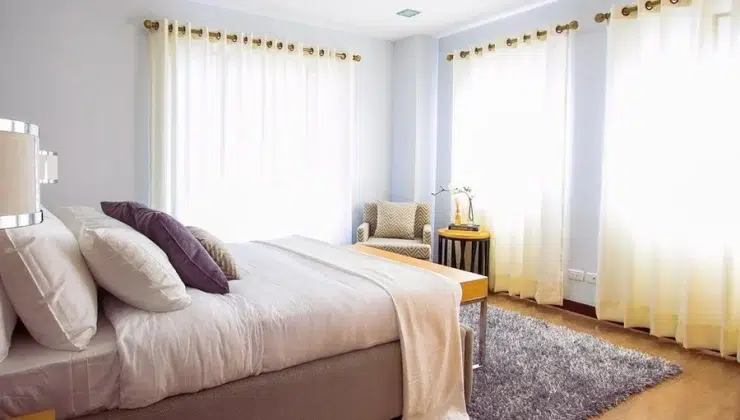
So it’s no surprise that one of the most important wellness features in a home is your sleep setup. Not just blackout curtains and noise-dampening walls, although those help. The real foundation is your bed.
And more specifically, your mattress.
But not the “grab whatever’s on sale” kind. The “this will affect every hour of my day” kind. Your mattress affects how deeply you sleep, how stiff you wake up, and whether your spine hates you by Thursday. That’s why more people are turning to stores that specialize in support and comfort science. If you’re exploring sleep upgrades, it’s worth checking out a Sealy mattress store with 100-day guarantee and see if the right fit transforms your rest—and your routine—with less guesswork and no pressure to commit too soon.
Because better sleep doesn’t just feel good. It works. It boosts your focus, your mood, even your immune system. You make sharper choices when you’re well-rested. And that starts at home.
Breathable Spaces and Brighter Days
Light and air are two things that can lift you up—or quietly wear you down.
Poor airflow traps toxins, allergens, and moisture. It affects your energy, your sinuses, and your sleep. That’s why modern homes are being built with more advanced ventilation systems. Energy recovery ventilators, whole-house fans, and air purifiers aren’t extras anymore. They’re the new basic.
They help you breathe better without opening windows during allergy season or wildfire alerts. And they make your home feel fresh, not just clean.
Then there’s light. Sunlight. The thing your brain needs to remember what time it is and whether it’s worth getting out of bed.
Natural light boosts your mood, keeps your body clock on track, and cuts down your dependence on artificial lighting. More homes now feature larger windows, sliding glass walls, and skylights to maximize daylight throughout the day.
And let’s be honest, fluorescent lighting has never done anyone any favors.
Smart LED systems are also stepping in. Some adjust color temperature to match the time of day. Cooler light in the morning to wake you up. Warmer tones at night to ease you down. It’s subtle, but your brain notices.
Kitchens That Keep You Going
Wellness isn’t all green smoothies and meal-prep Sundays. It’s about whether your kitchen supports the kind of life you want to live. A space that helps you nourish yourself without burning out or burning dinner.
Modern wellness kitchens focus on two things: function and feeling.
First, the setup. Pull-out shelves. Smart storage. Surfaces that clean easily and don’t soak up germs. These aren’t fancy touches. They’re sanity-savers. They reduce the mental load of cooking.
Filtered water on tap. Air fryers built into ovens. Dishwashers that sanitize. These upgrades help you eat better, clean easier, and waste less time.
Then there’s the vibe. Lighting that isn’t straight out of a hospital. Materials that feel warm and grounded. Quiet appliances that don’t scream every time you hit a button. You’re more likely to cook when your kitchen calms you, not frustrates you.
Even tiny changes make a difference. Under-cabinet lighting. Non-slip flooring. A compost bin that doesn’t smell. These choices support wellness because they reduce friction. And when you’re not fighting your kitchen, you’re more likely to enjoy using it.
The Bathroom Reset
The bathroom used to be where we got clean. Now, it’s where we decompress.
Smart homeowners are turning basic bathrooms into daily recovery zones. And it’s not about gold fixtures or spa-like tubs (though no one’s complaining if those show up). It’s about function, comfort, and privacy.
Heated floors aren’t just nice. They make mornings bearable. Fog-resistant mirrors mean you actually see what you’re doing after a shower. Water-saving toilets and touchless faucets reduce your bills and your contact with germs.
Walk-in showers with bench seating. Deep tubs with lumbar support. Adjustable lighting for early mornings and late nights. These aren’t luxury add-ons. They’re wellness features that respect your time and your nervous system.
The best bathrooms today do one thing well: they help you slow down.
Movement, Flow, and Mental Space
Your home should move with you. Or at least not block your every step.
Wellness design takes layout seriously. It thinks about how you move from room to room, how easy it is to reach what you need, and whether your furniture is working with you or against you.
Open space doesn’t just look good on Instagram. It creates room to breathe, stretch, and shift. Whether it’s rolling out a yoga mat in the living room or simply walking through the hallway without dodging clutter, space equals freedom.
Storage matters too. Not more of it—smarter storage. Built-ins that hide chaos. Cabinets that open smoothly. Hooks, baskets, and shelving that turn piles into systems.
Mental wellness needs physical space. Not just in your calendar, but in your home.
Design for Calm
This one’s easy to overlook. Your surroundings affect your mind more than you realize.
Colors, textures, sounds—they shape your stress levels.
Soft tones and natural materials calm the brain. Harsh light and loud noise don’t. Acoustic panels, rugs that absorb echo, doors that close gently—these details protect your peace.
And greenery helps. Not fake plants in plastic pots. Real ones. Even just one or two. Studies show they improve concentration and lower anxiety. They don’t just look nice. They do something.
If your space feels off, it probably is. Wellness design fixes that without making it complicated. The bottom line? A modern home should do more than just keep you comfortable. It should help you function better. Think clearer. Sleep deeper. Stress less.